
I was inspired to write this feature after reading an article by Upworthy, which shared their personal experiences with their local public library, and particularly how for many people their library became their ‘safe space’.

I could personally relate to this, because for my entire childhood, my library was one of the few places that I felt totally safe. My childhood wasn’t perhaps as tumultuous as some of the other people featured in the Upworthy article, but I still struggled and whether it was access to books which acted as an escape, or computer and printing facilities which helped me to get online and first start writing, the library was always there for me.
I am almost thirty now, and libraries still have this magic, they are a vital part of a thriving and successful community, and even today not only are they relevant, but in my opinion are absolutely necessary.
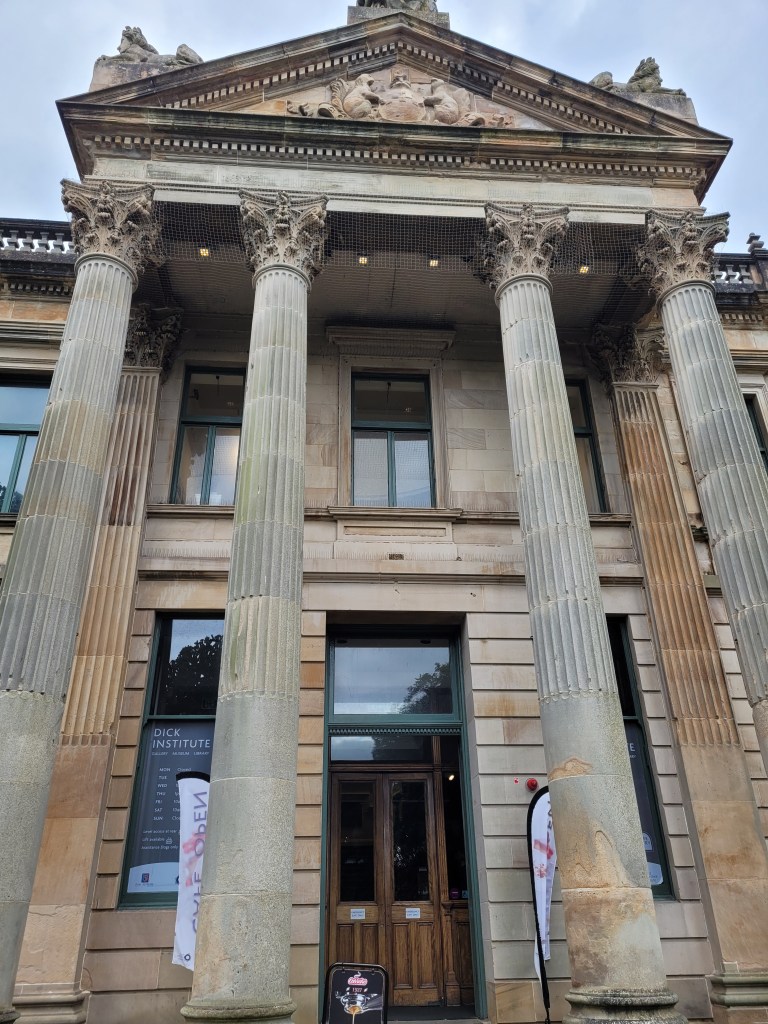
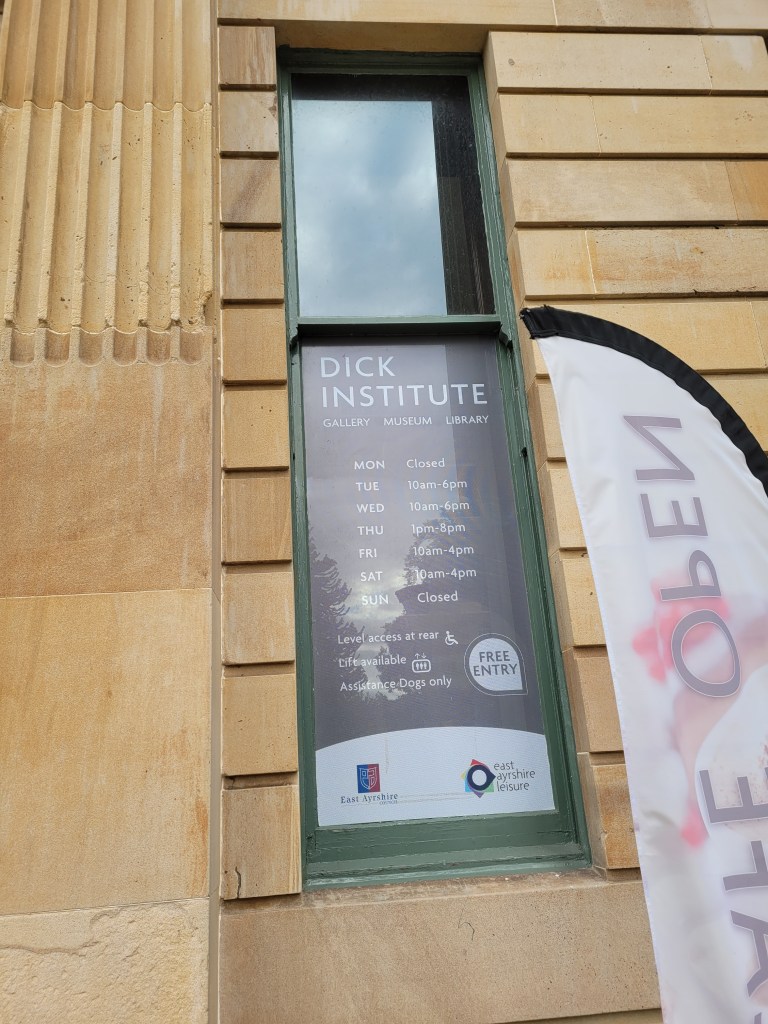
So today, I am super happy to share a totally biased, but in the best way, post all about my local library, the Dick Institute, which is located in Kilmarnock, East Ayrshire.
First off, it is a truly beautiful building, with a rich history. It was built at the turn of the 20th century, and officially opened its doors in 1901. The Dick Institute was named for James Dick, who was born in Kilmarnock (on Soulis Street) in 1823, and became an immensely successful businessman, and was the one who provided the funds required to open the institute.



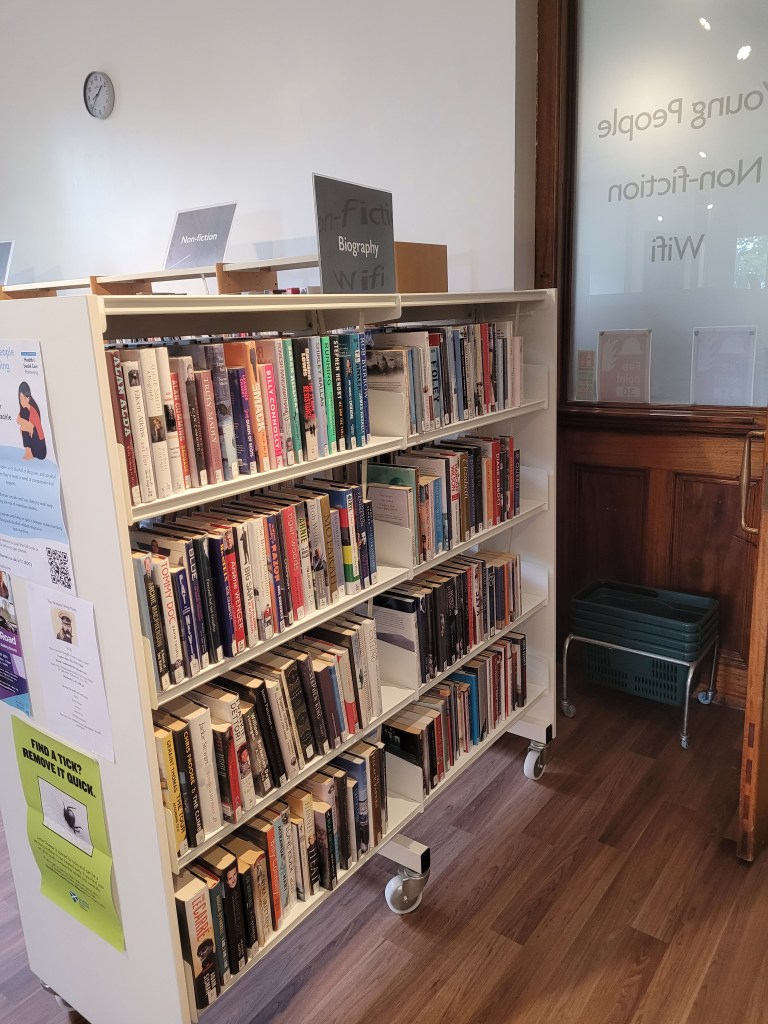
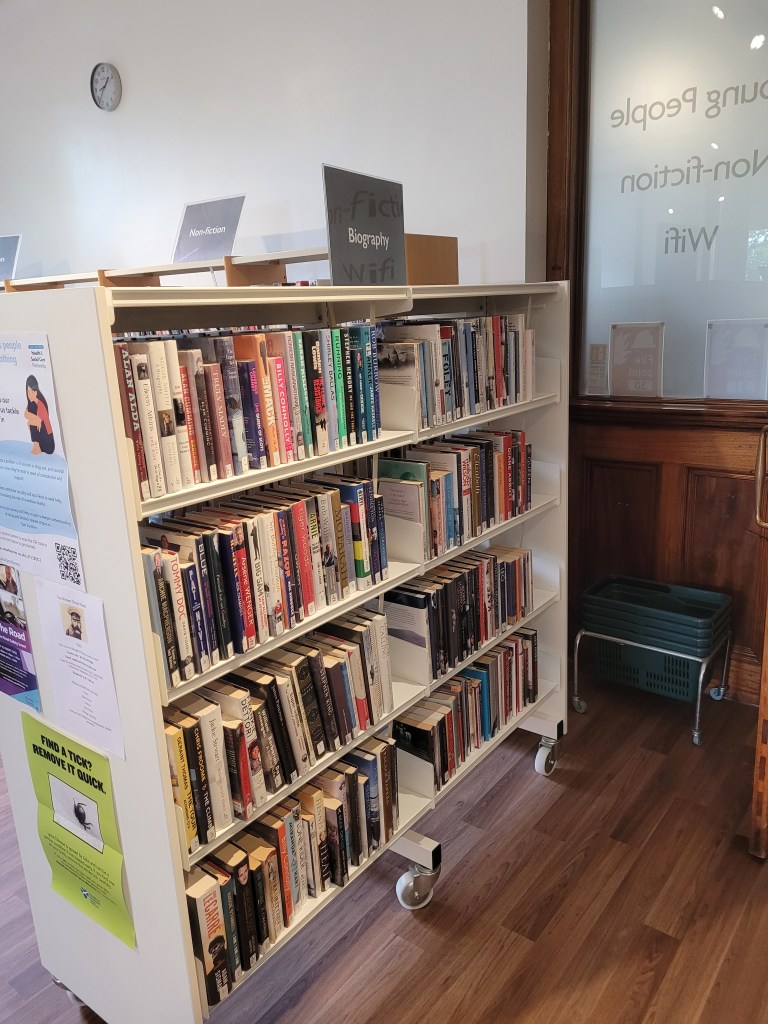
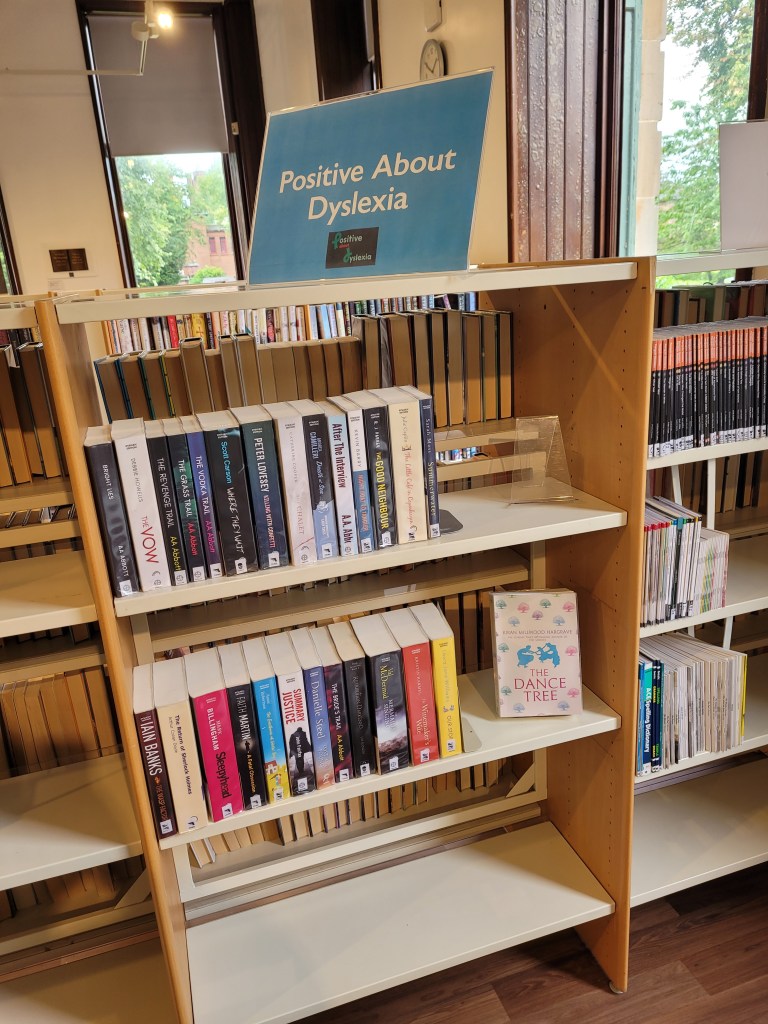
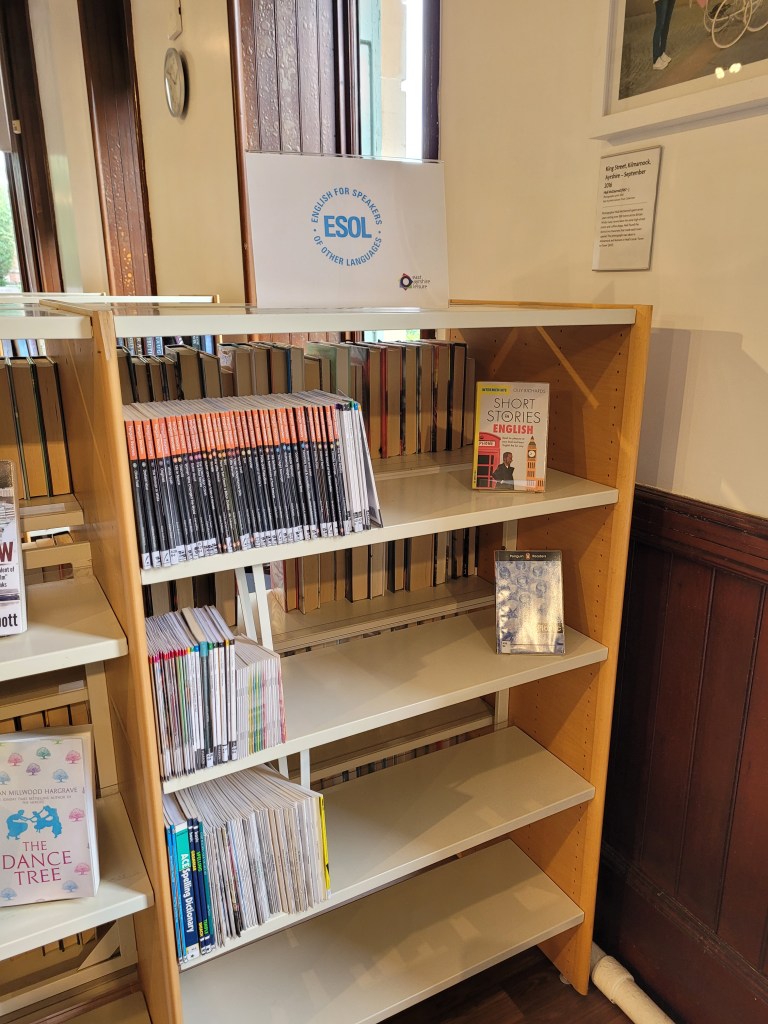
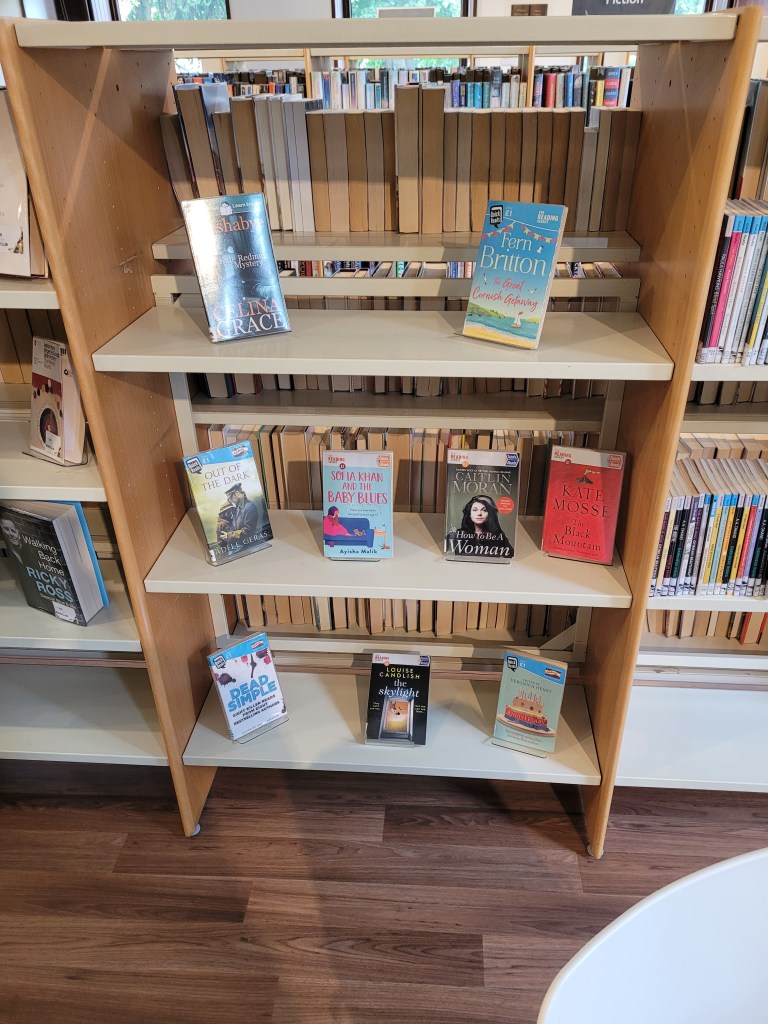
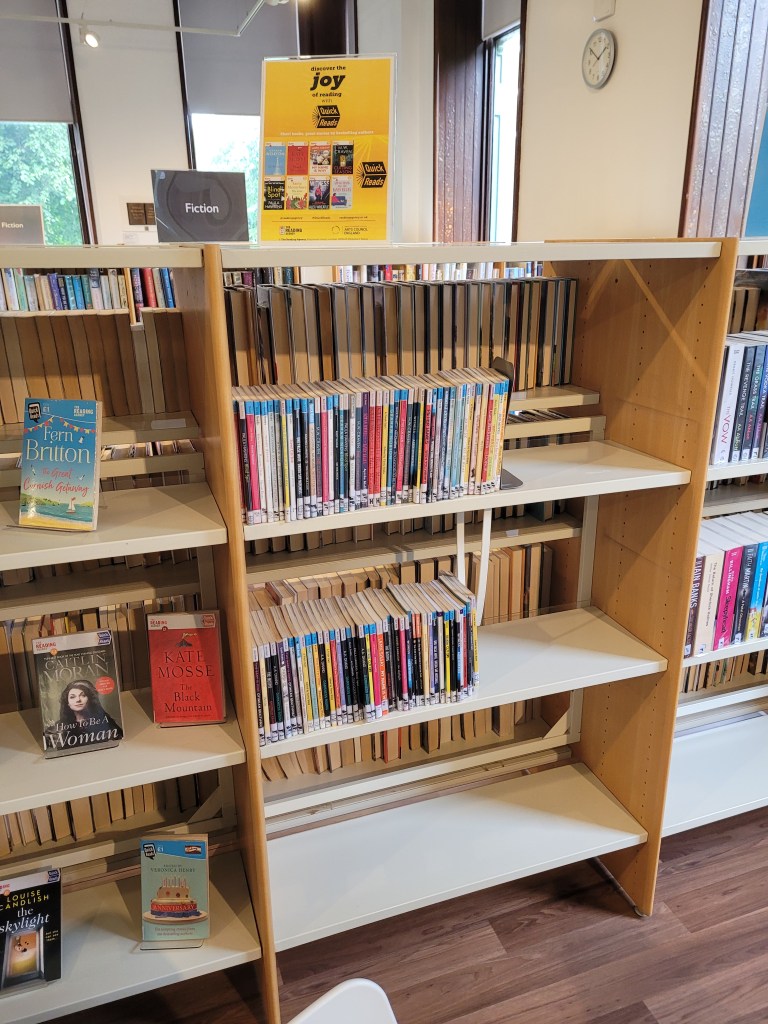
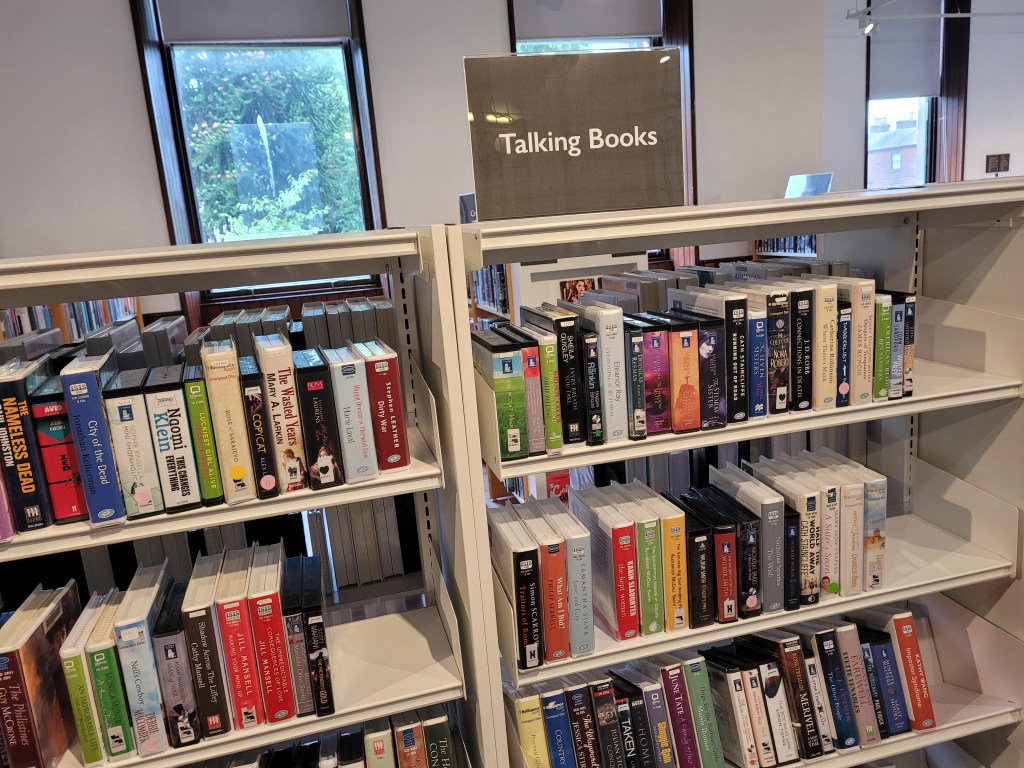
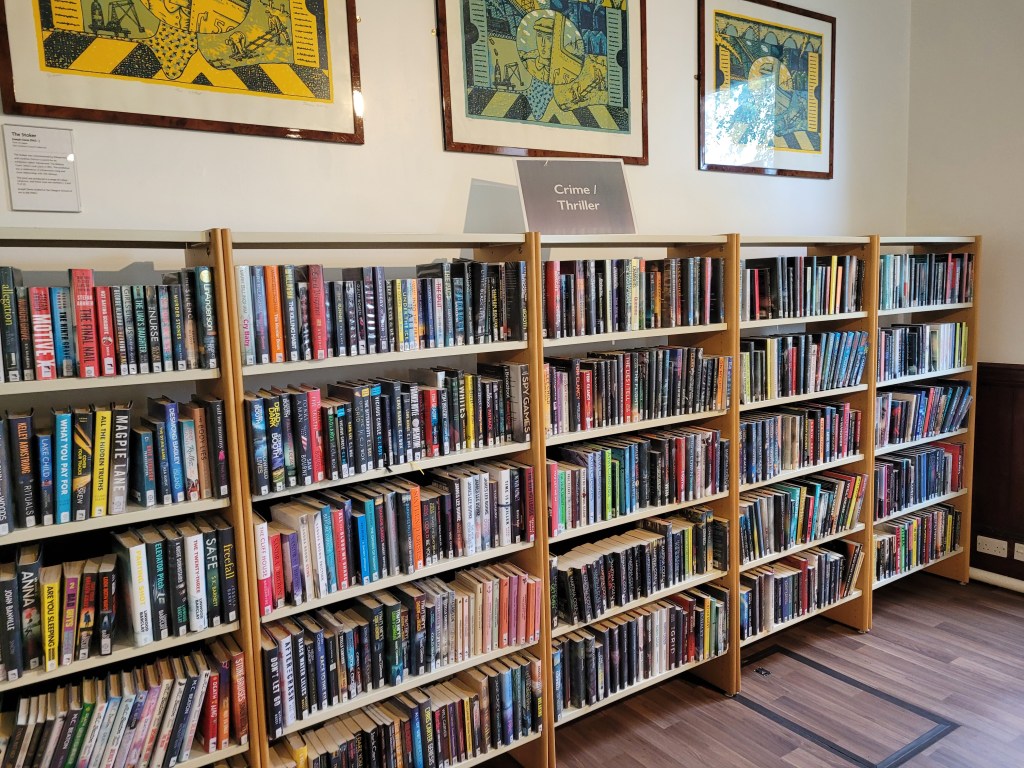
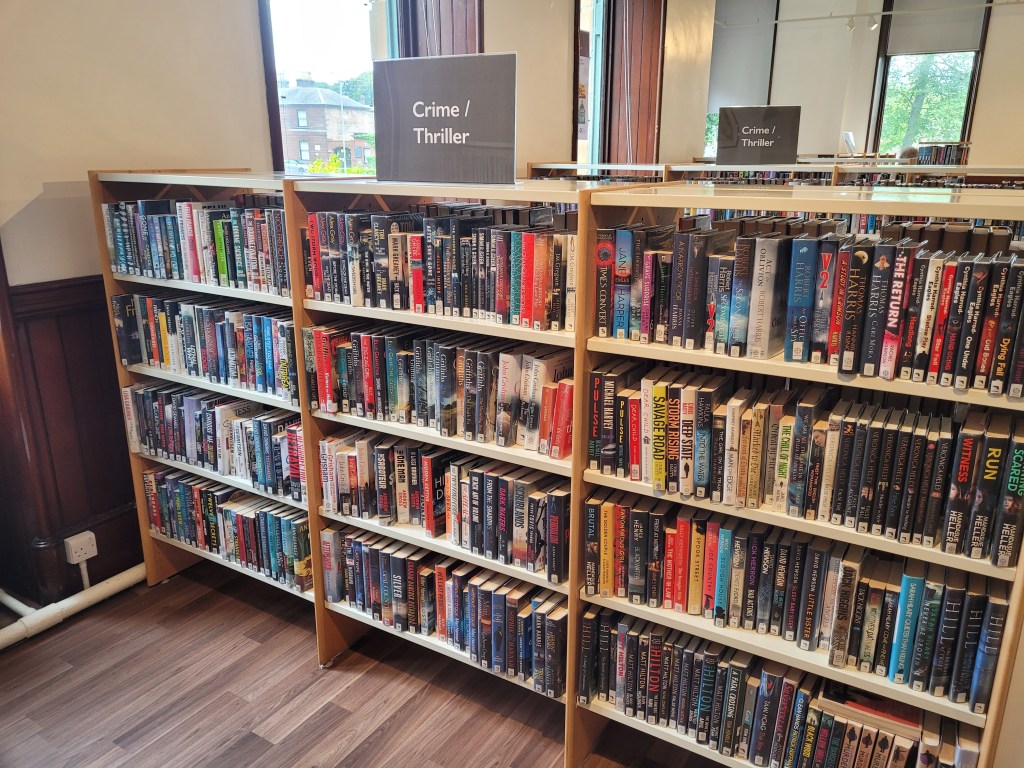
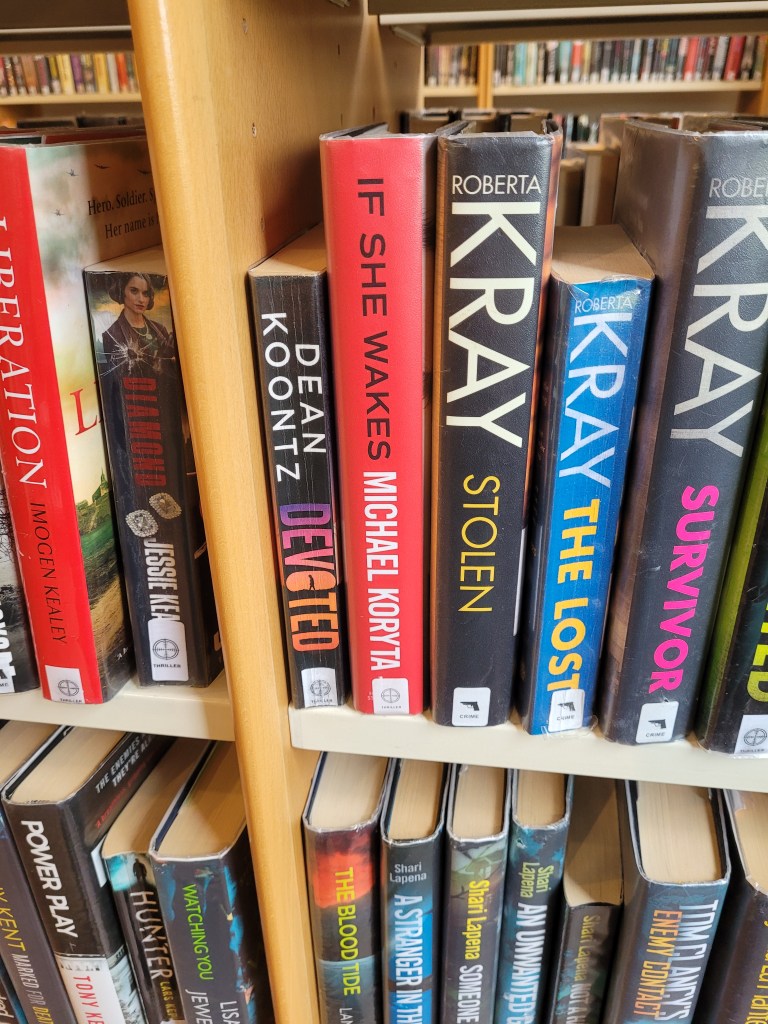
The Dick Institute has a wide range of books suited for any and all tastes, all arranged by genre and author. I was particularly excited by the impressive range of audio books as well as books with typeface designed to assist people with visual impairments or dyslexia. This level of accessibility is important, and is one of the many reasons why public library remain so important.



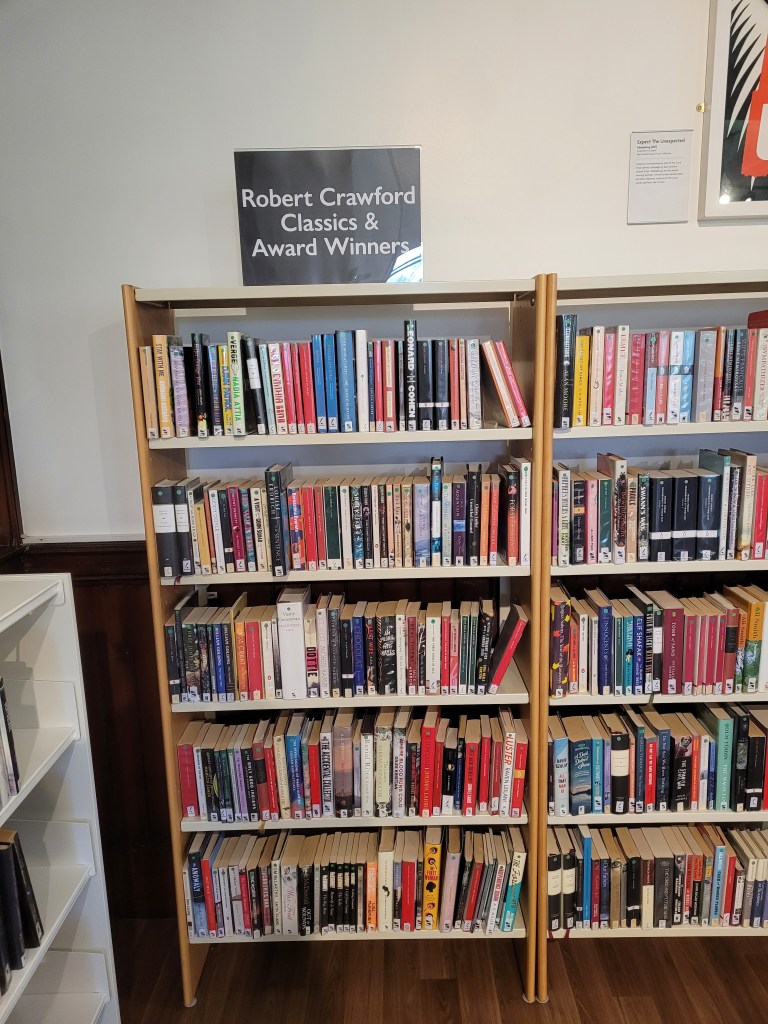
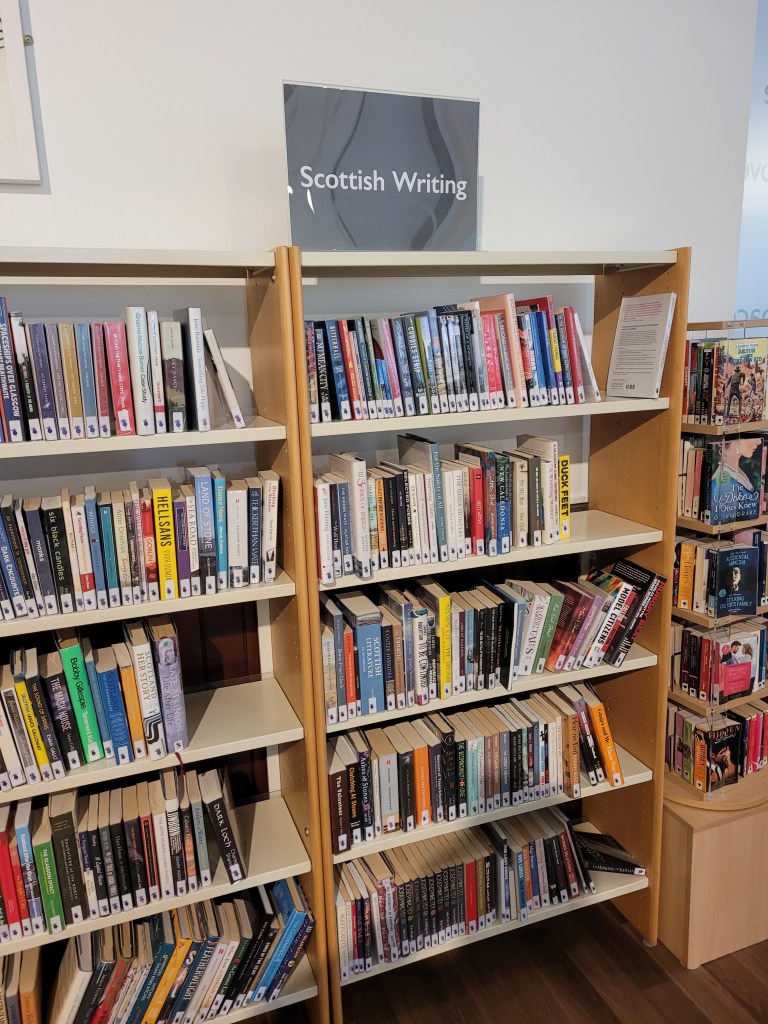
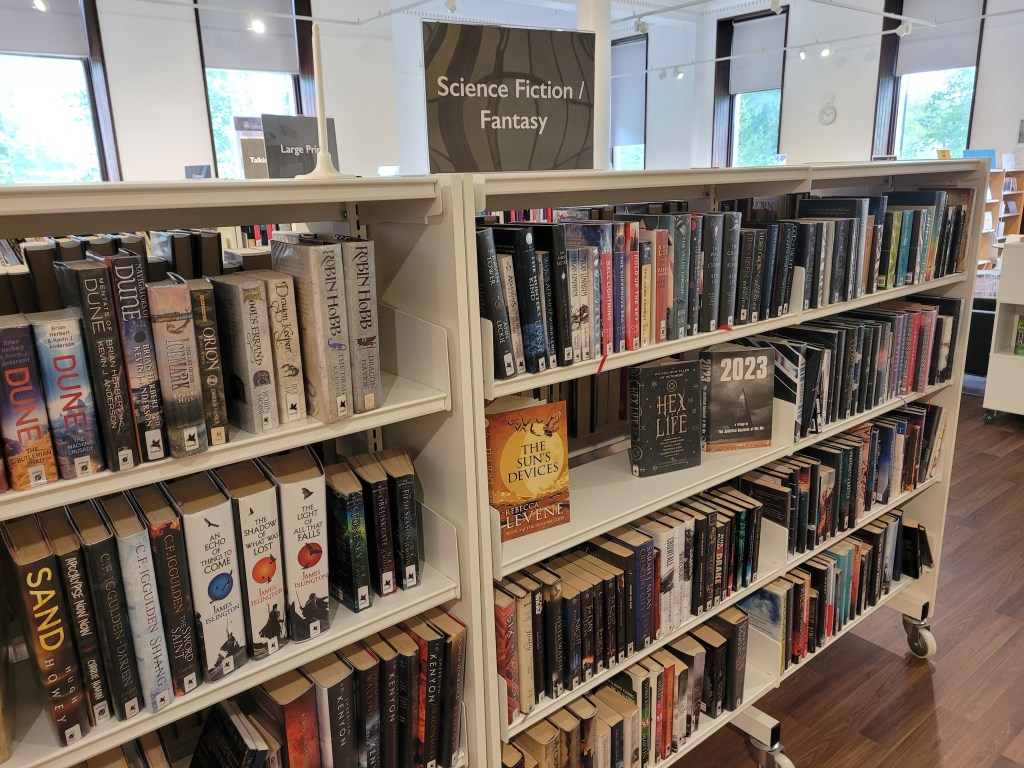
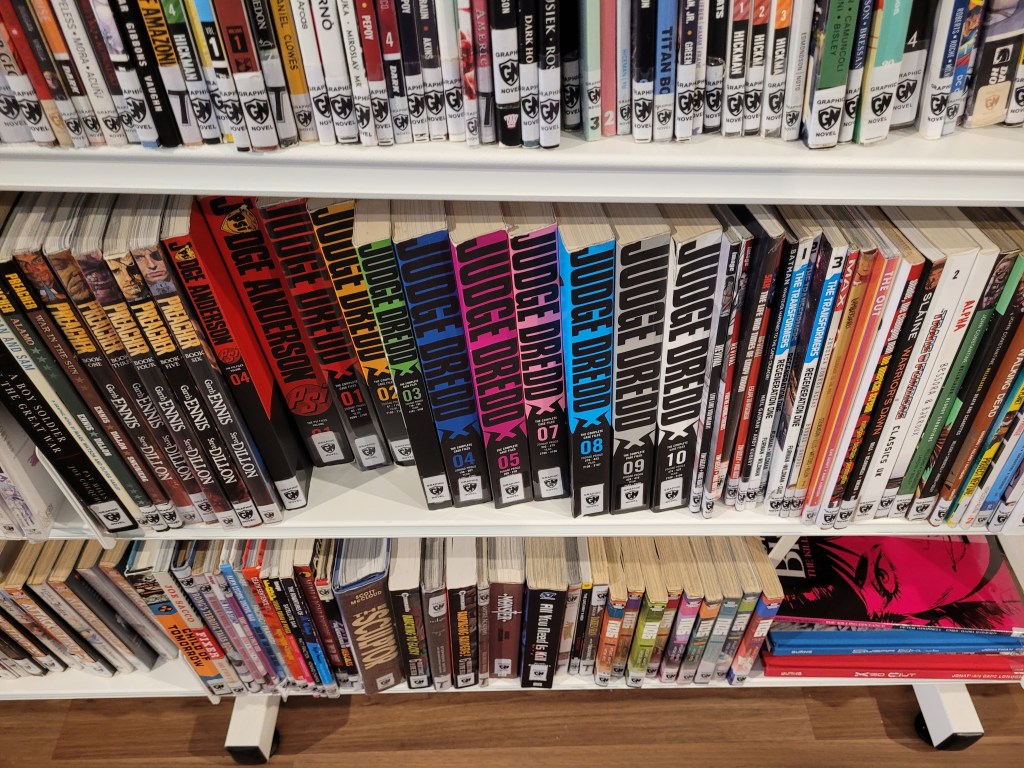


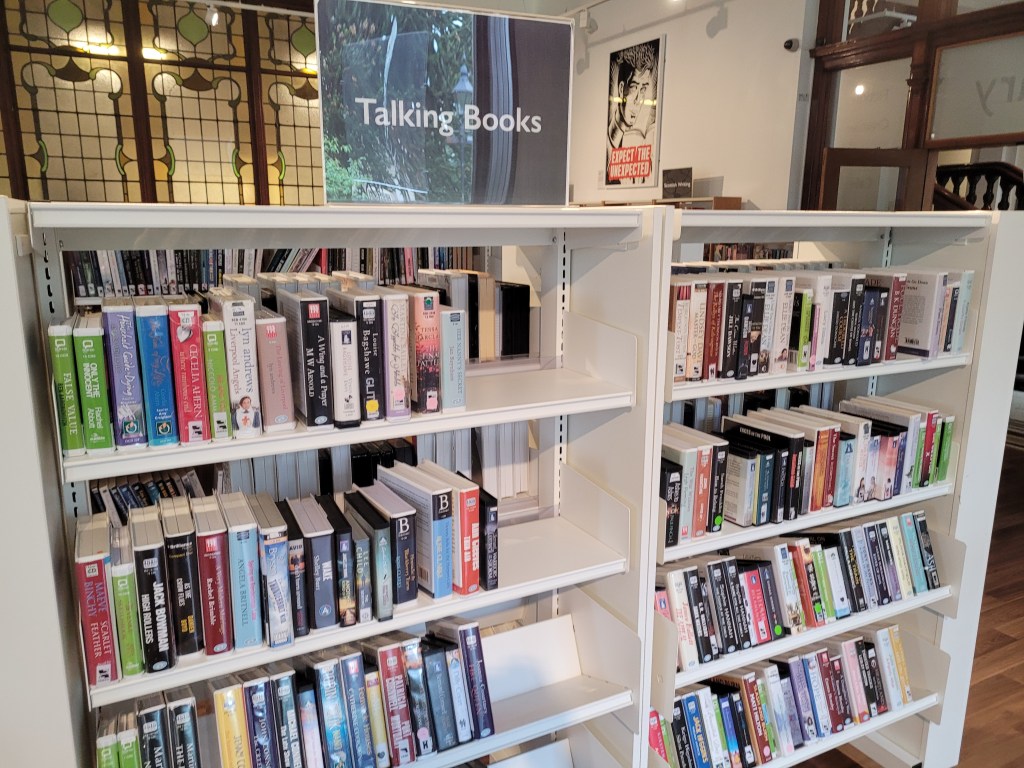

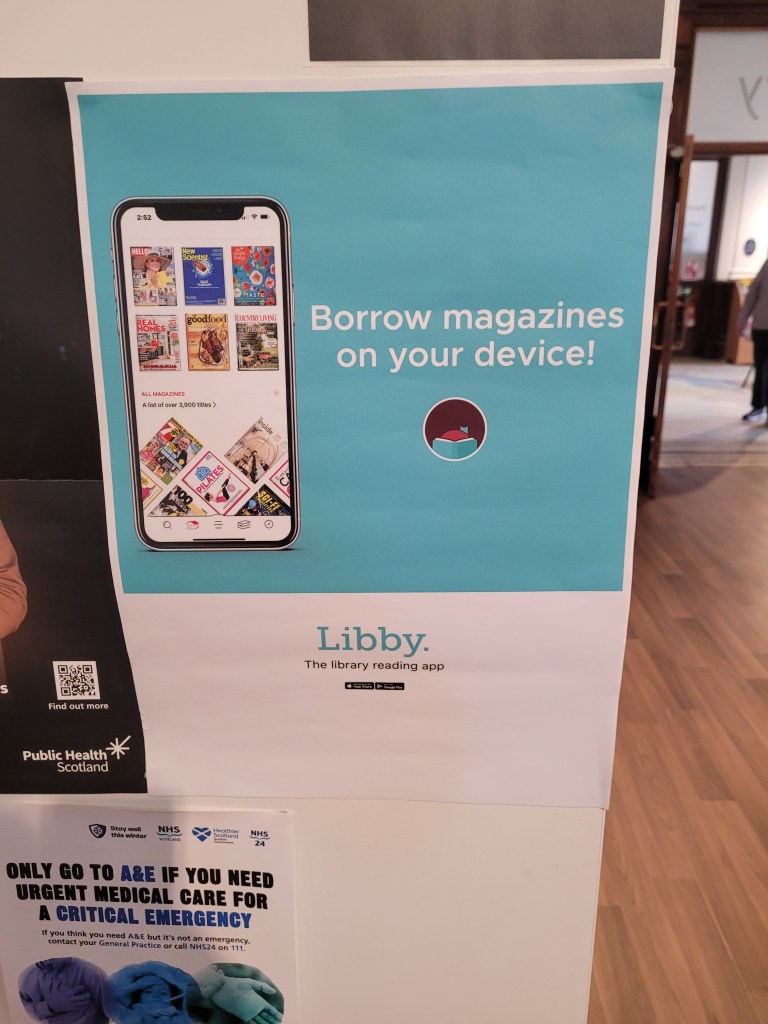
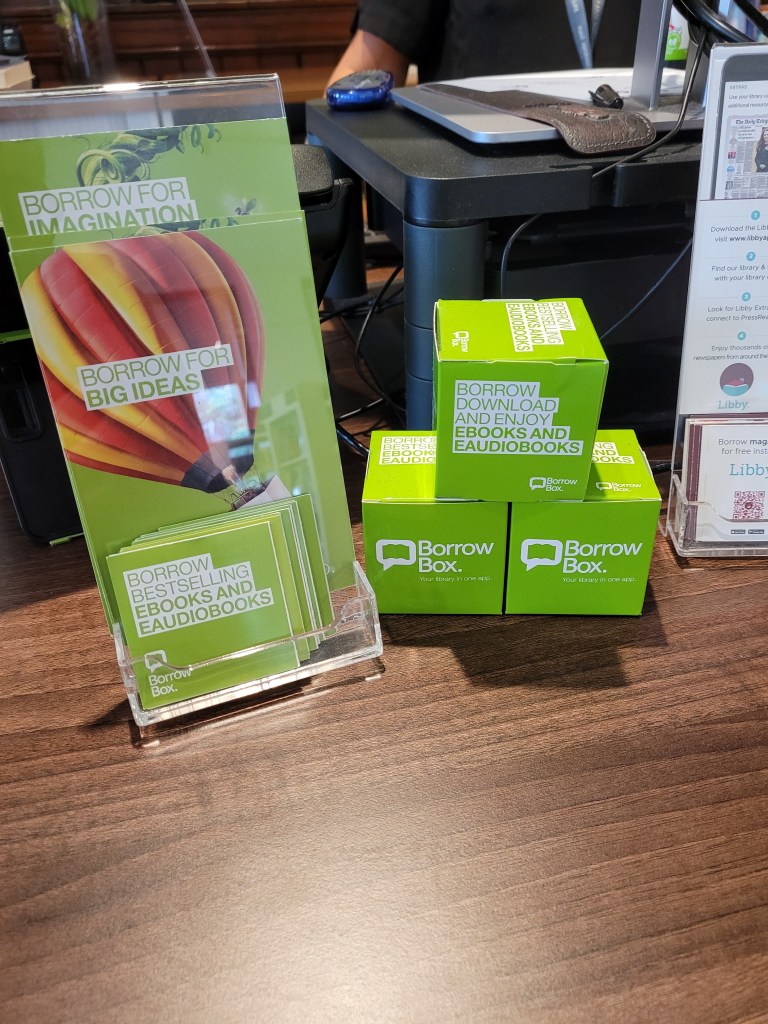
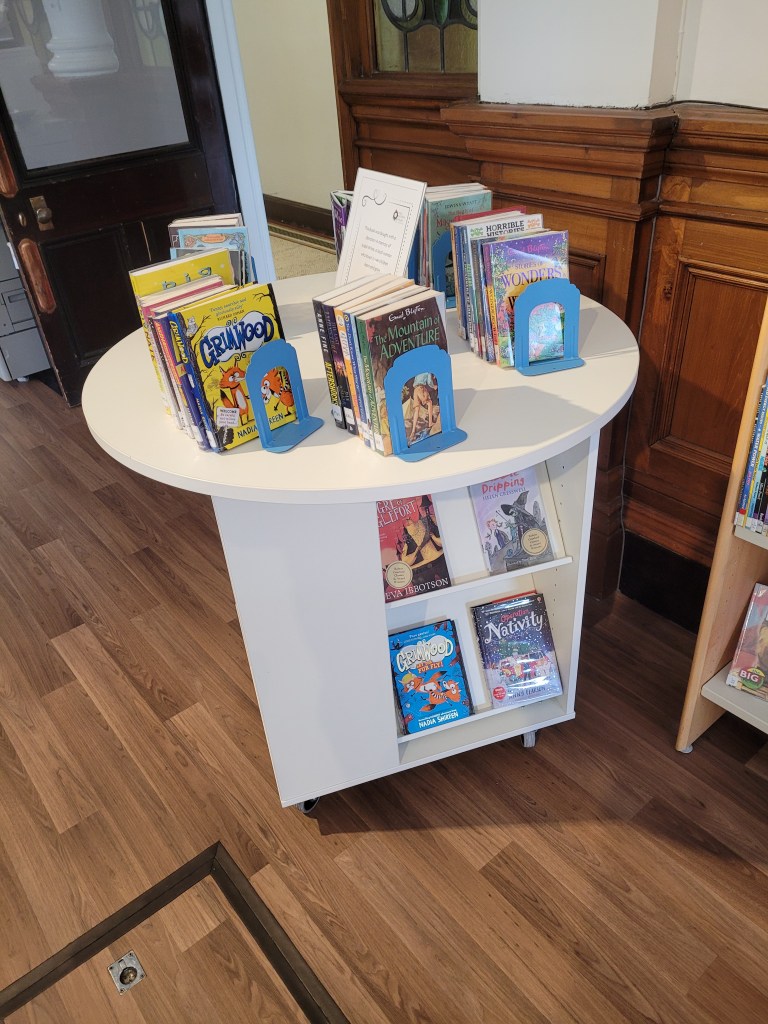
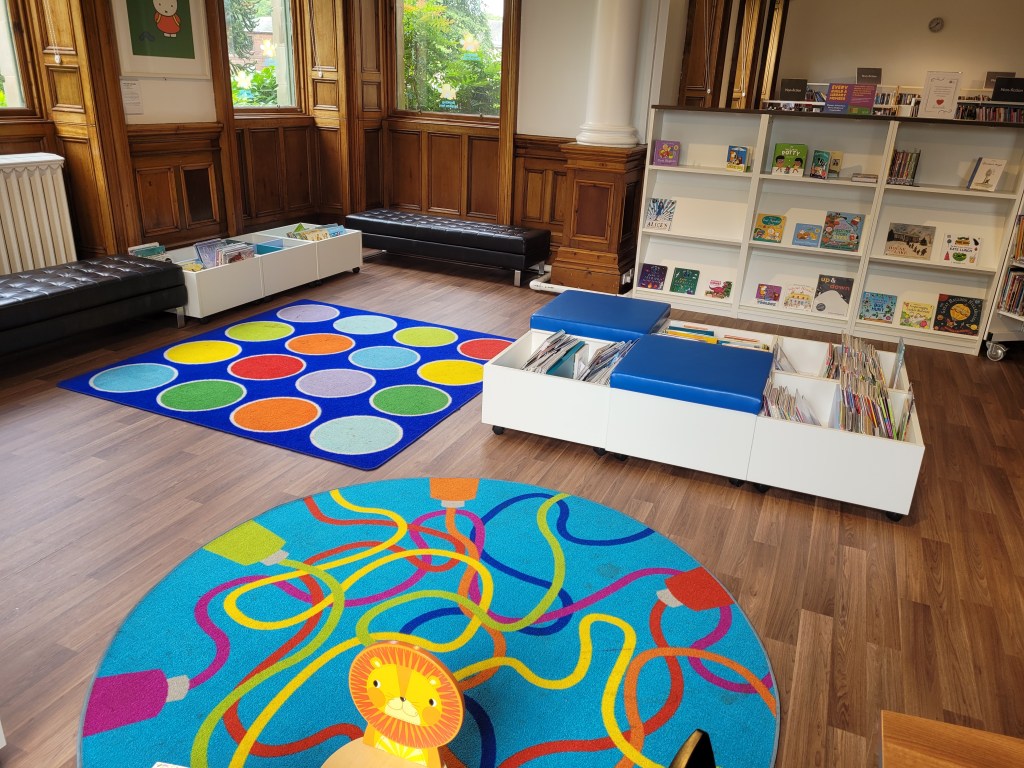
Libraries are for all ages, and I think it is so vitally important to encourage young people to read, especially since as I mentioned earlier a Library can be a ‘safe place’ for youngsters. The Dick Institute agrees, as their kid friendly reading zone is a welcoming area for children to come along, read, play and make happy memories.


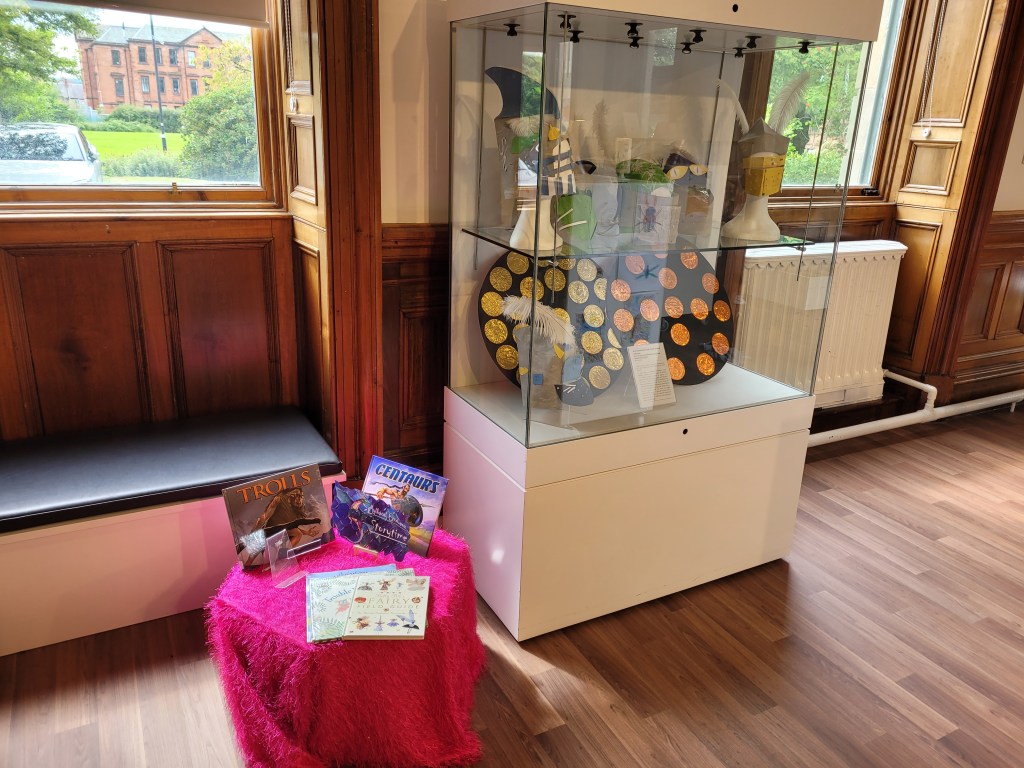
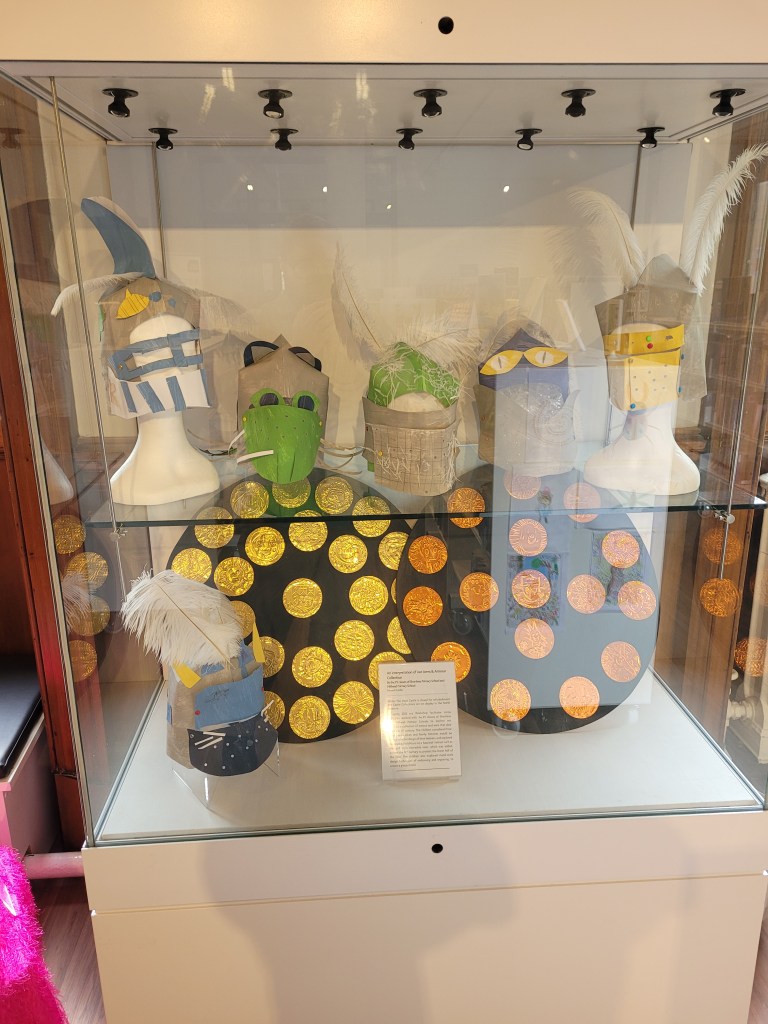
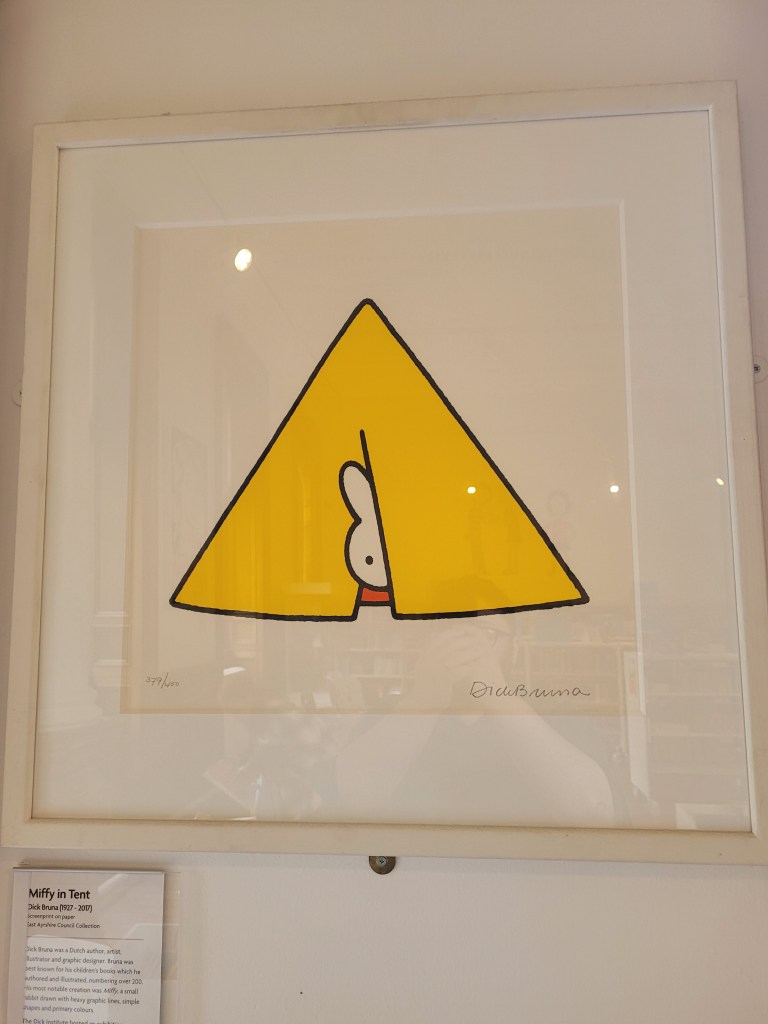
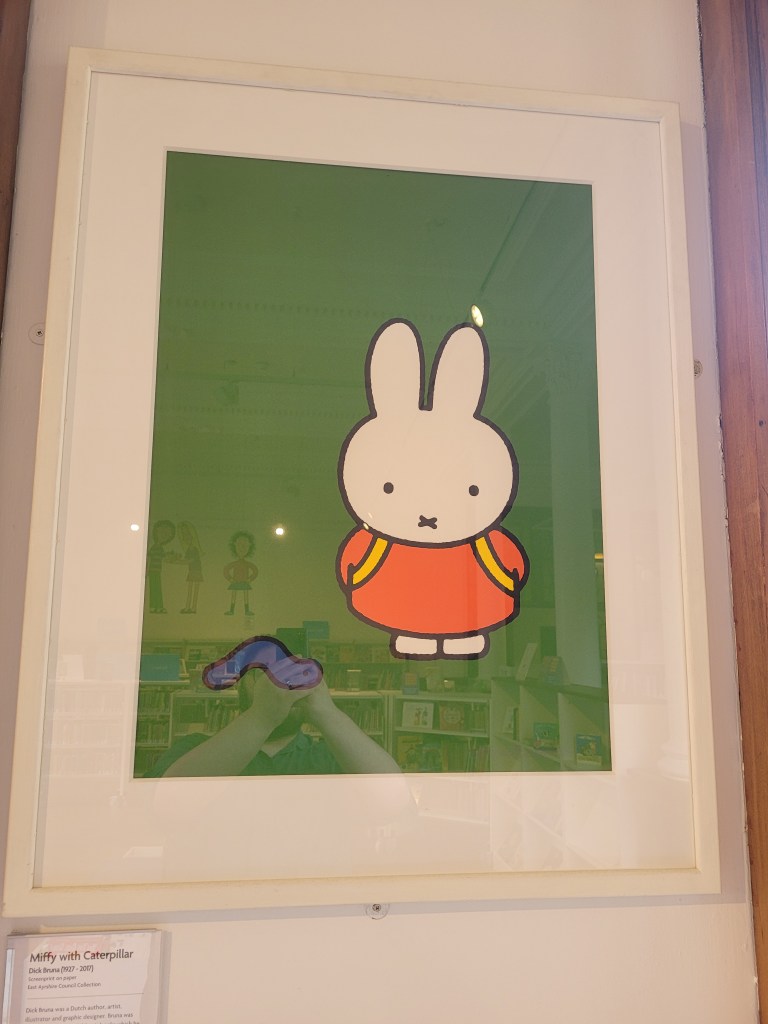

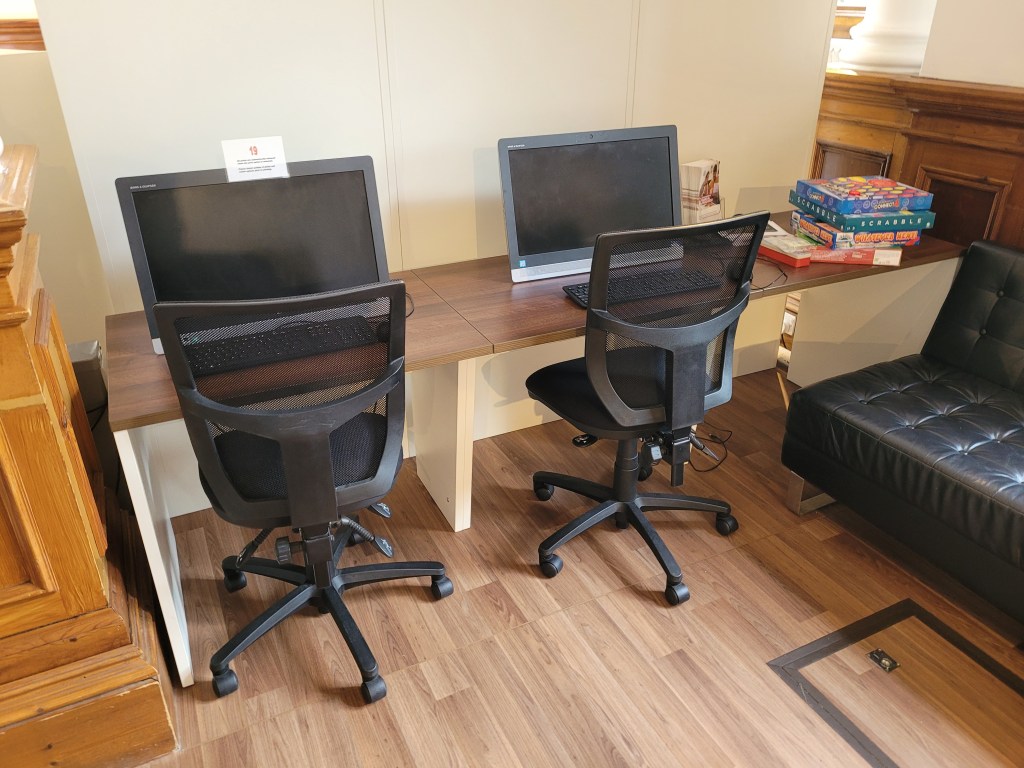
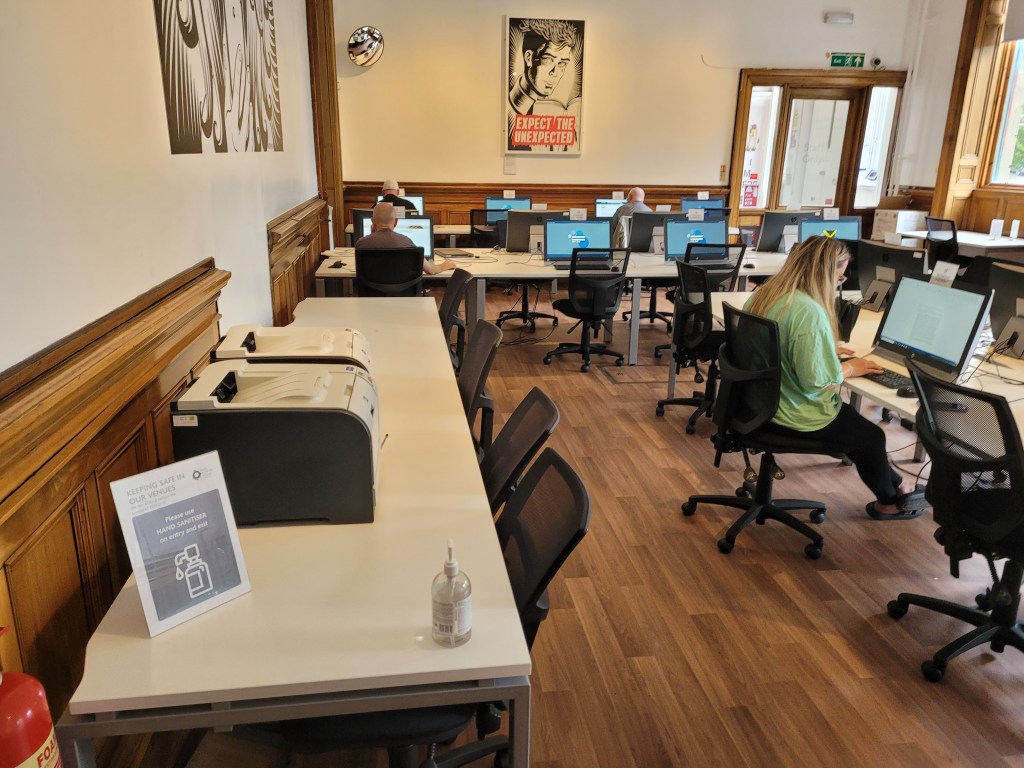
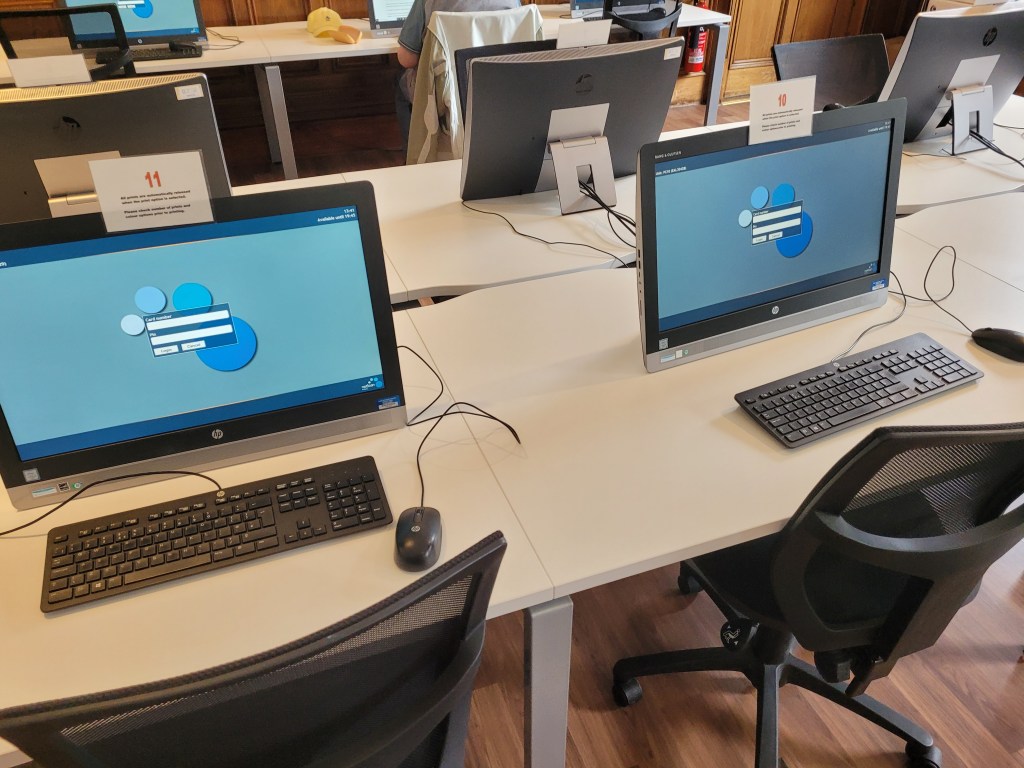
As I mentioned above, libraries also provide valuable access to computers, internet and printers, which not everyone has access to.


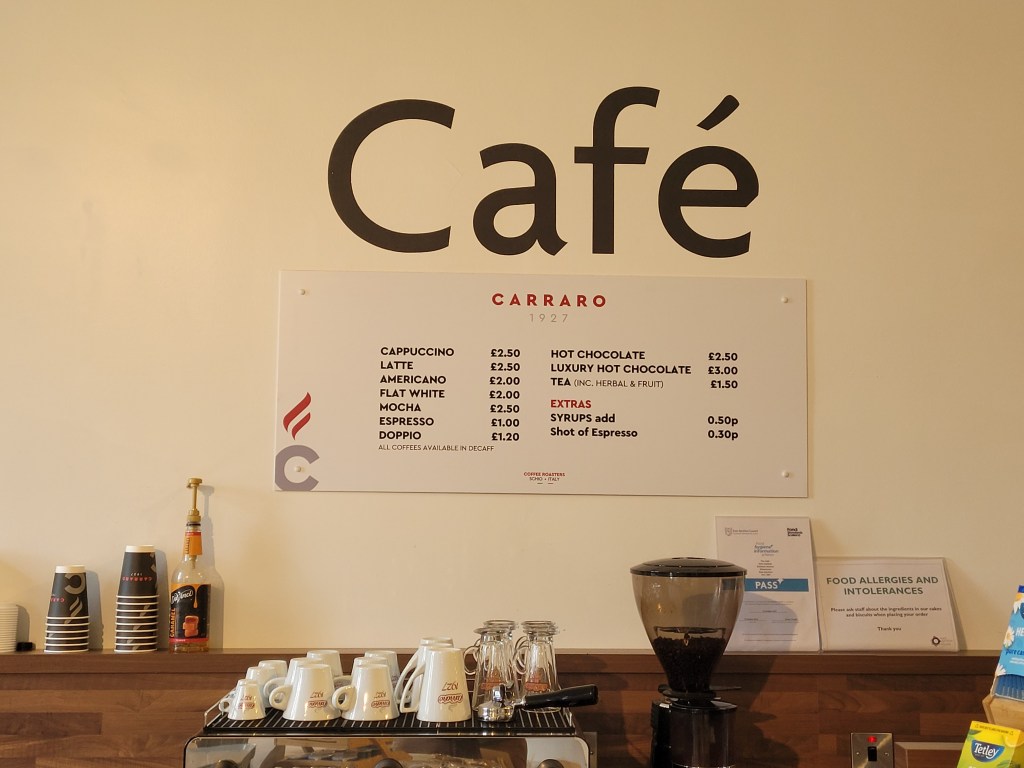
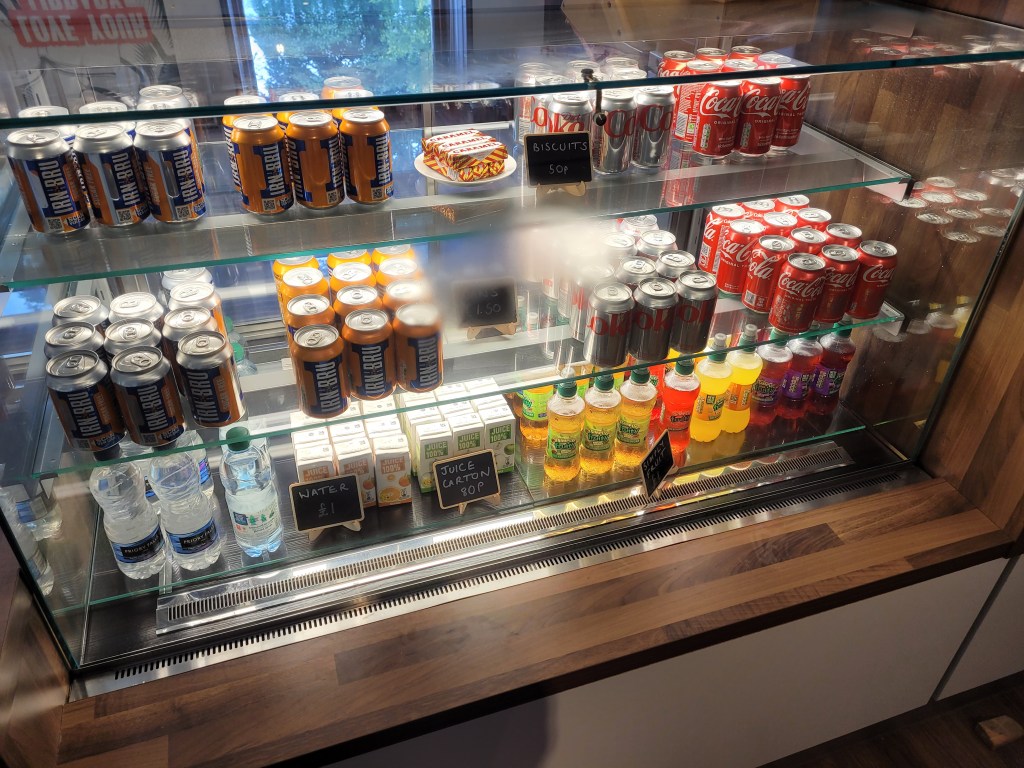
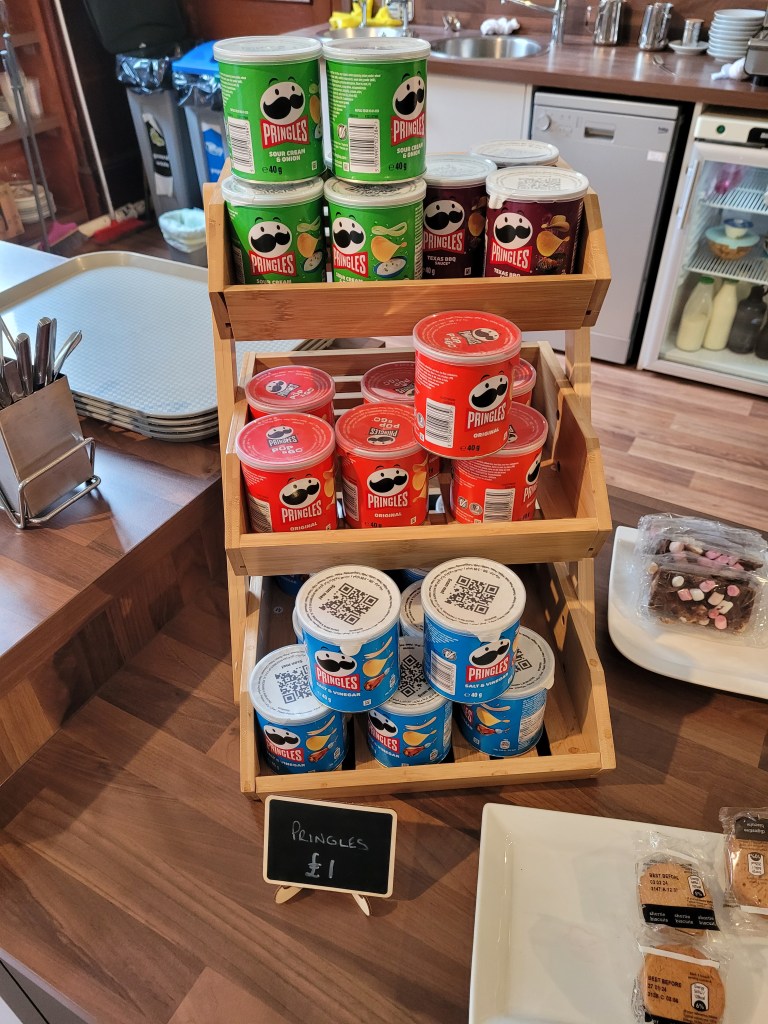
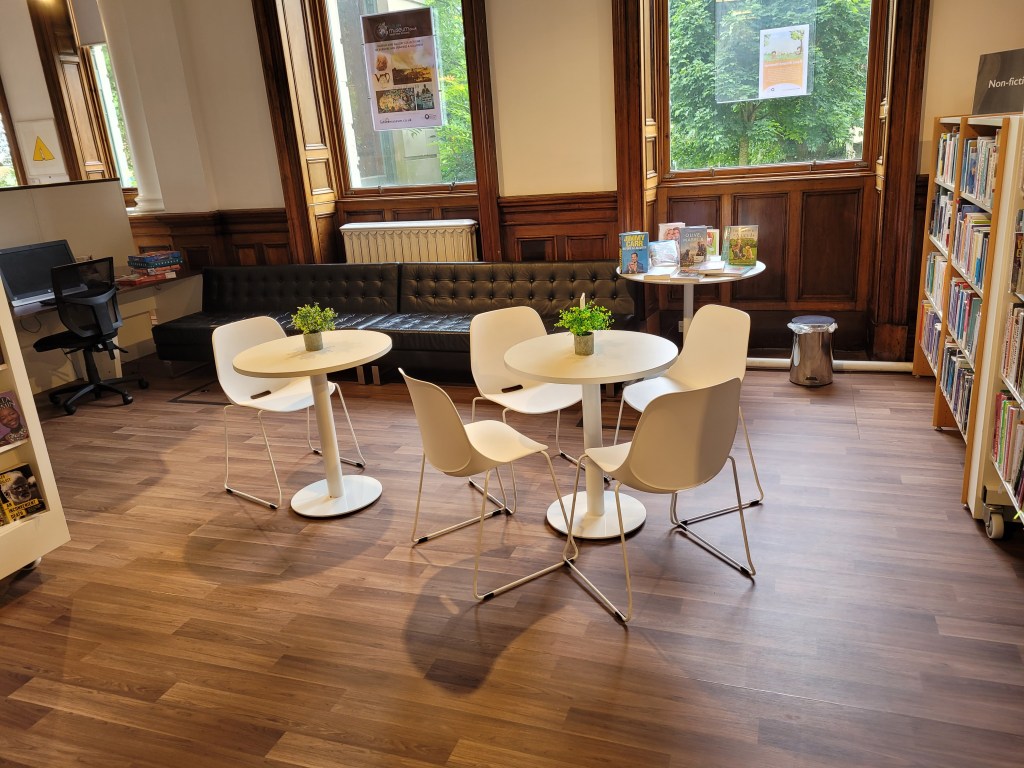
Unlike my local library as a kid, the Dick Institute has a fantastic little café where you can grab a selection of hot and cold drinks, as well as some snacks such as cake or crisps. I would strongly recommend a latte and a Malteser Traybake.




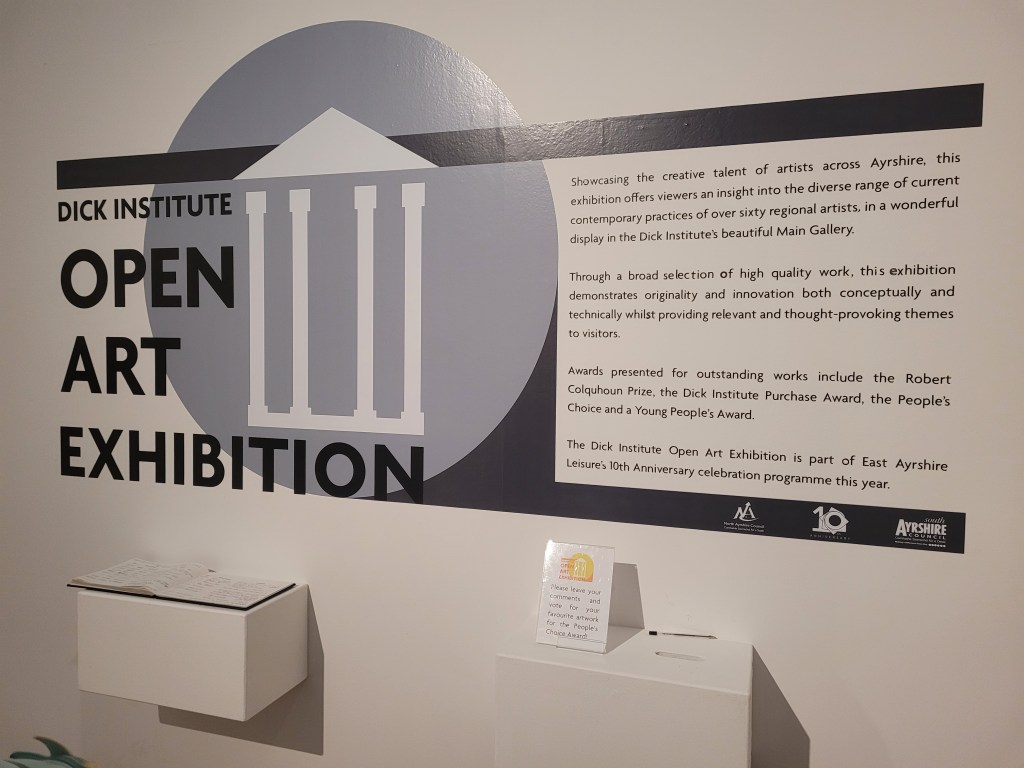
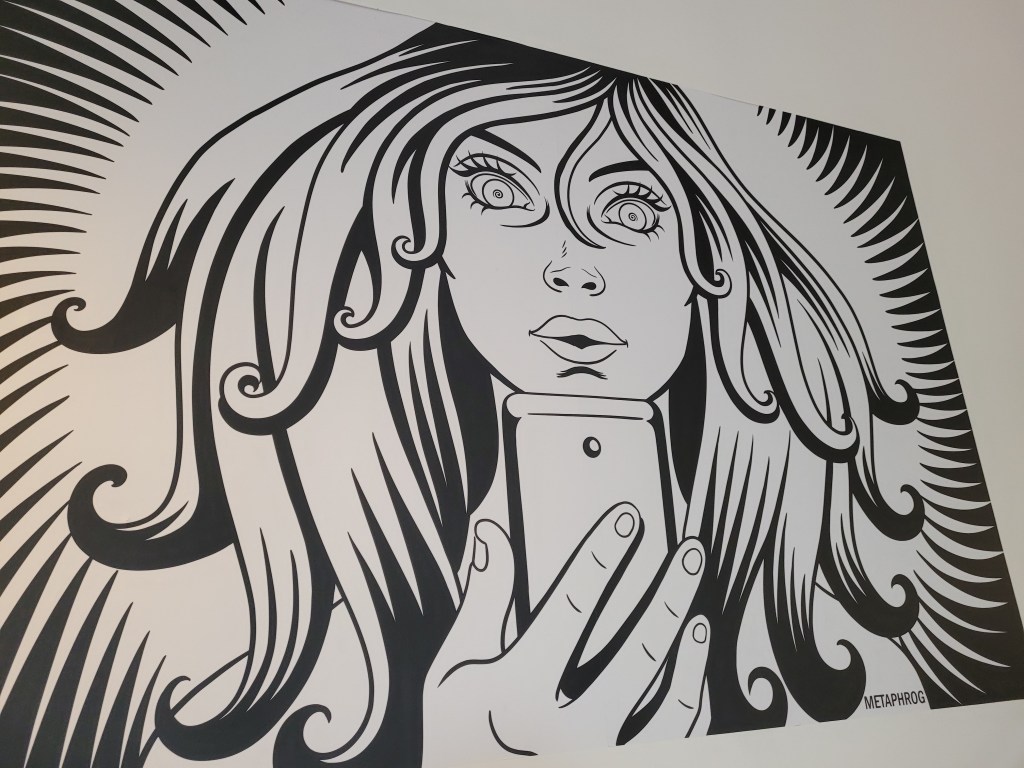
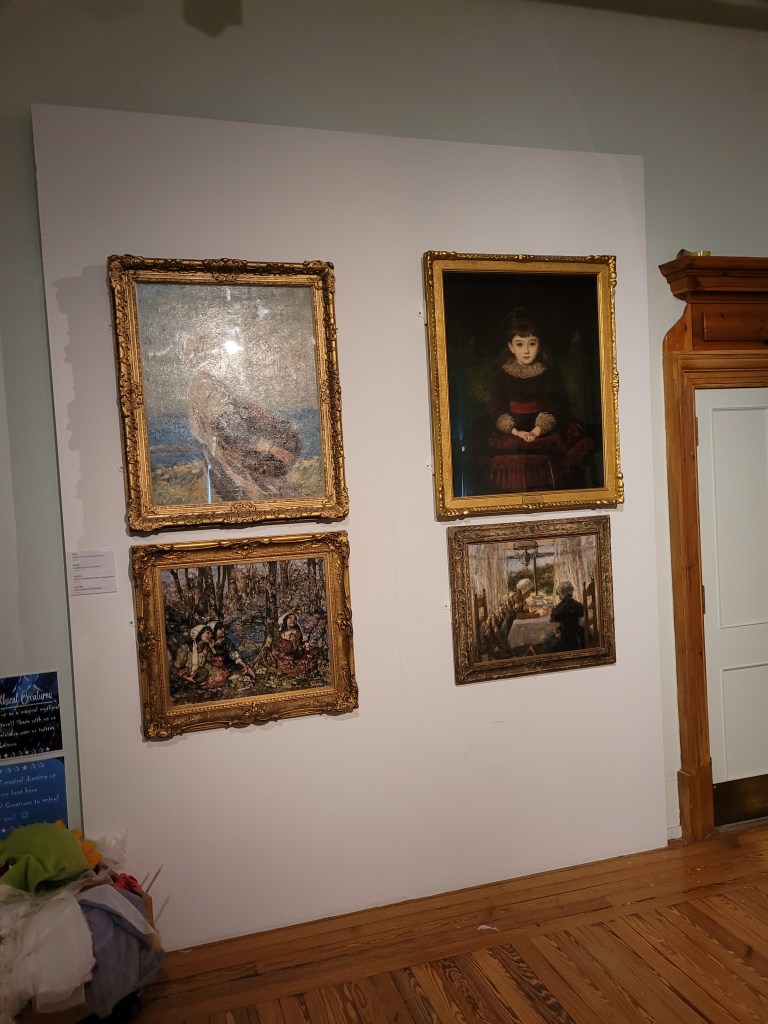
The Dick Institute cultural venue which has hosted countless local and international events over the years. They have a gallery space which hosted art exhibitions, and is a fabulous opportunity to see an incredible and diverse range of artists and designers. Over the past few years they’ve hosted exhibitions for a variety of talented creators, such as Quentin Blake, Michael Morpurgo and currently Martin Brown (noted for writing and illustrating Horrible Histories).
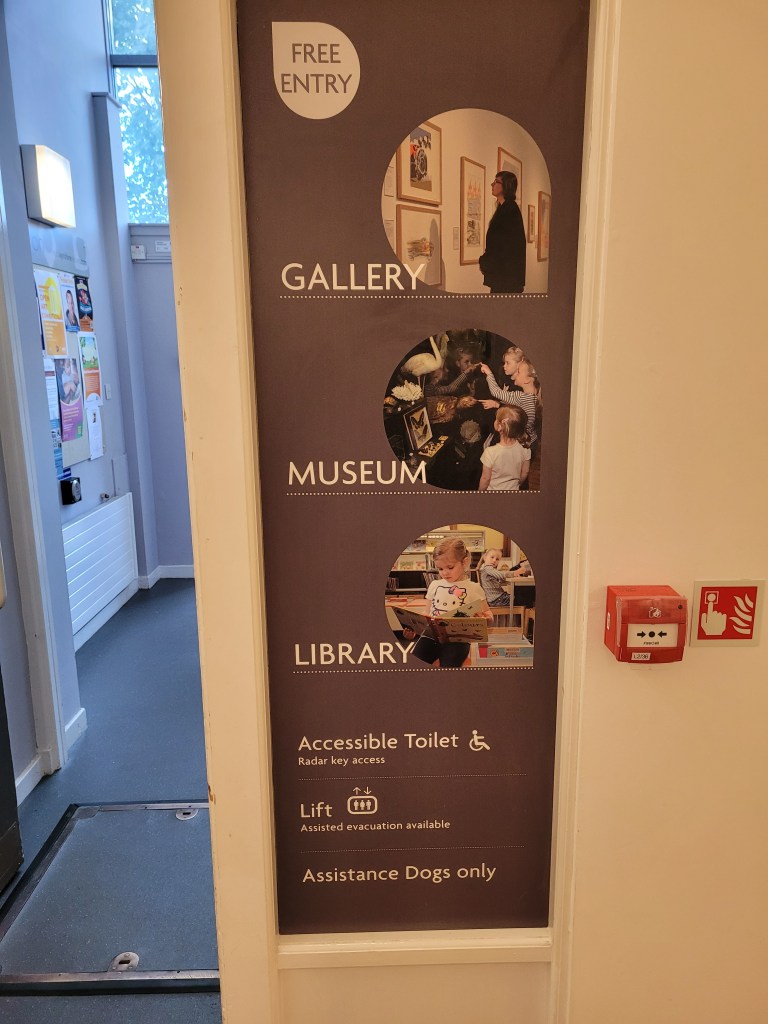




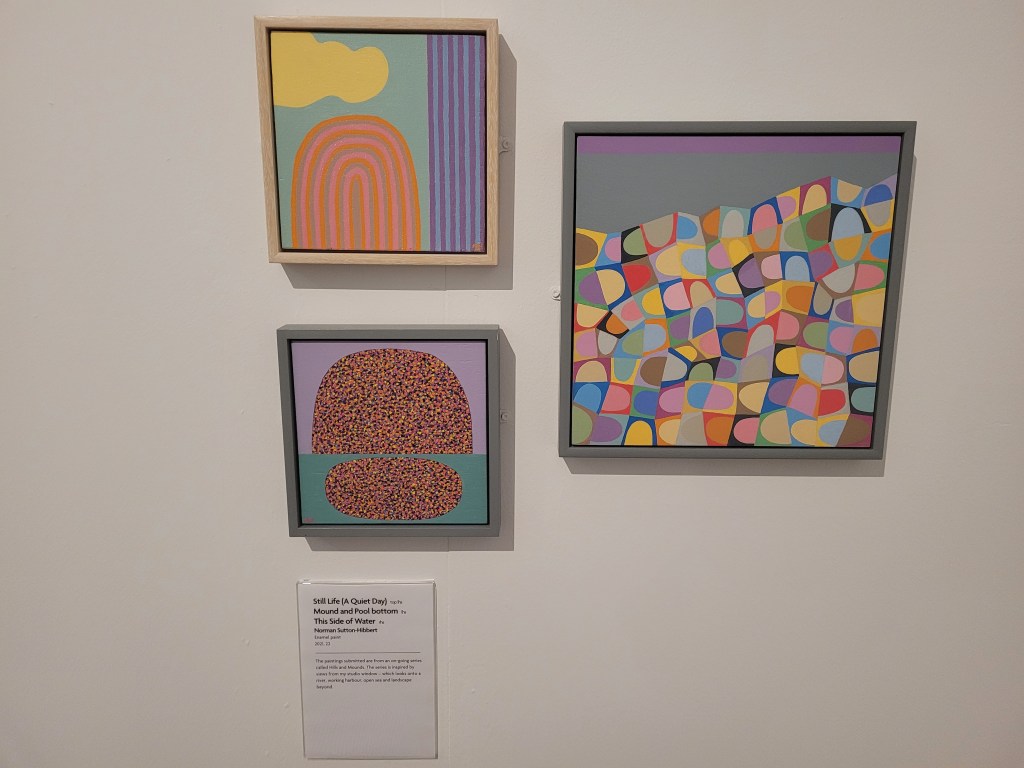
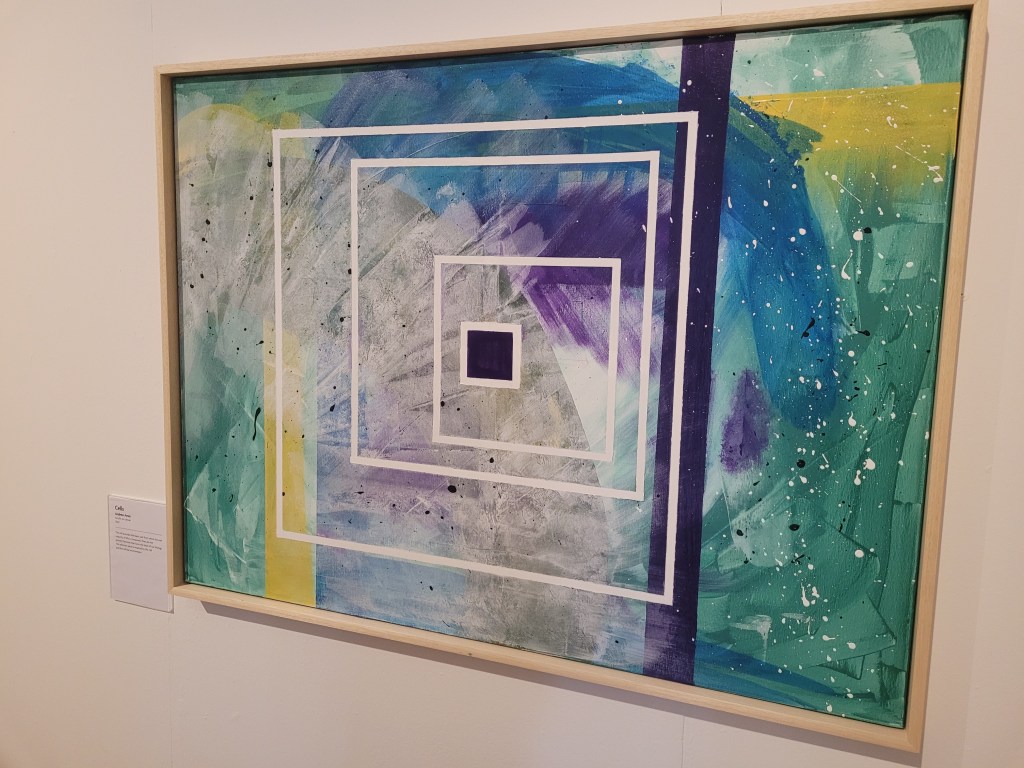
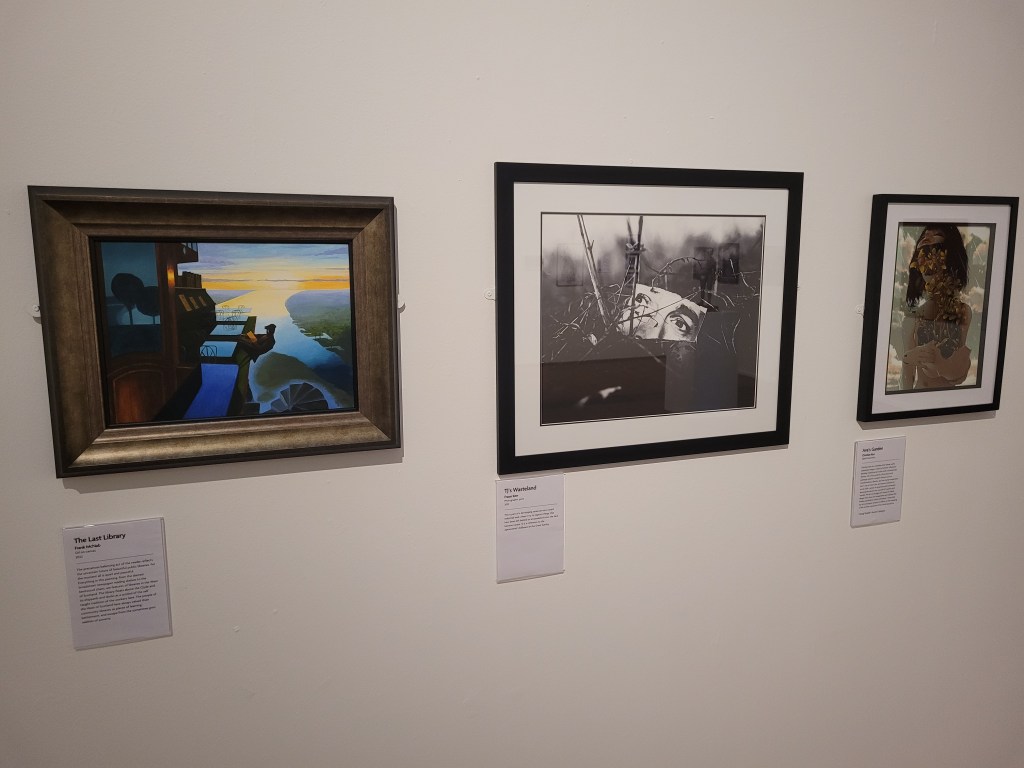

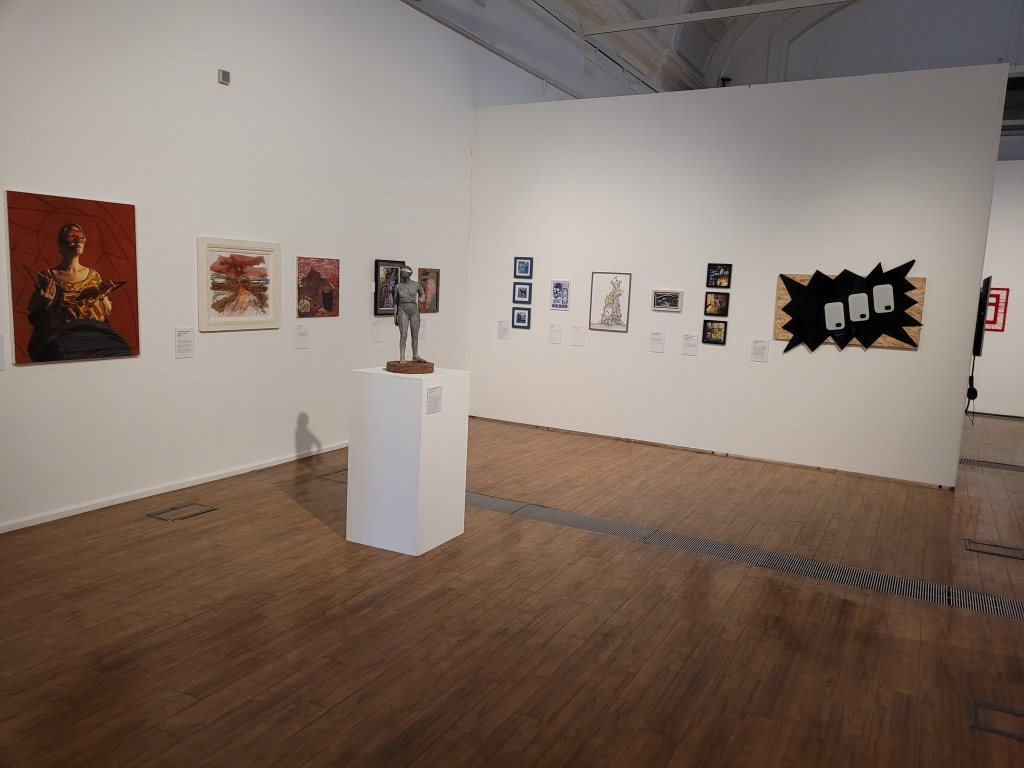
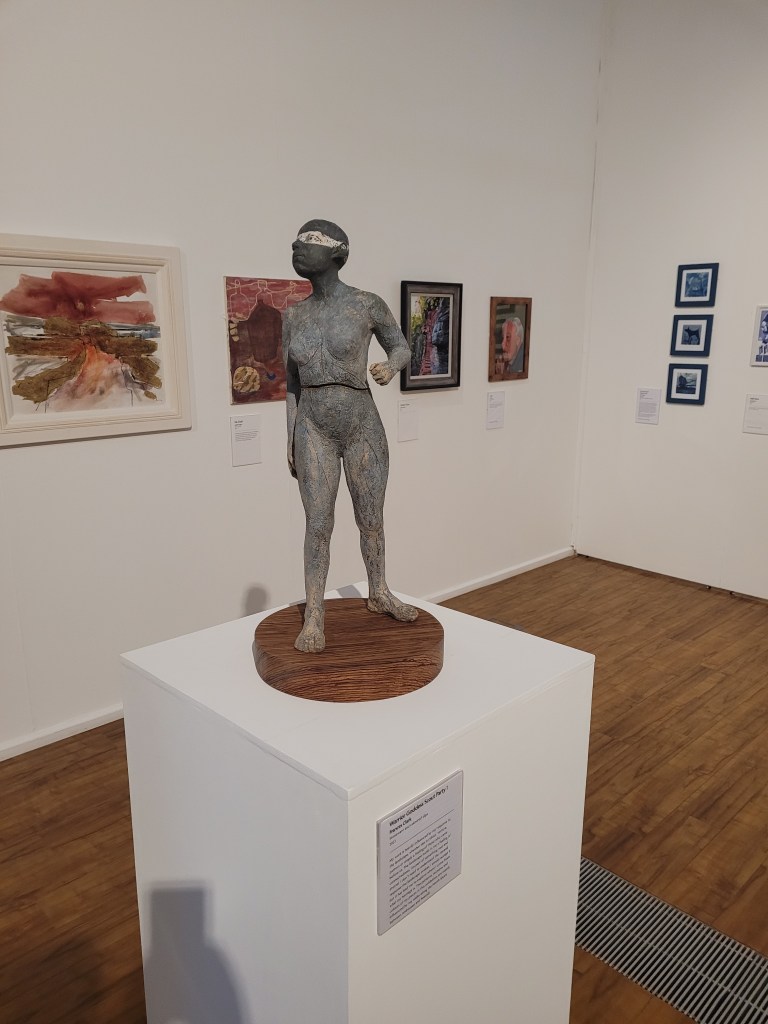
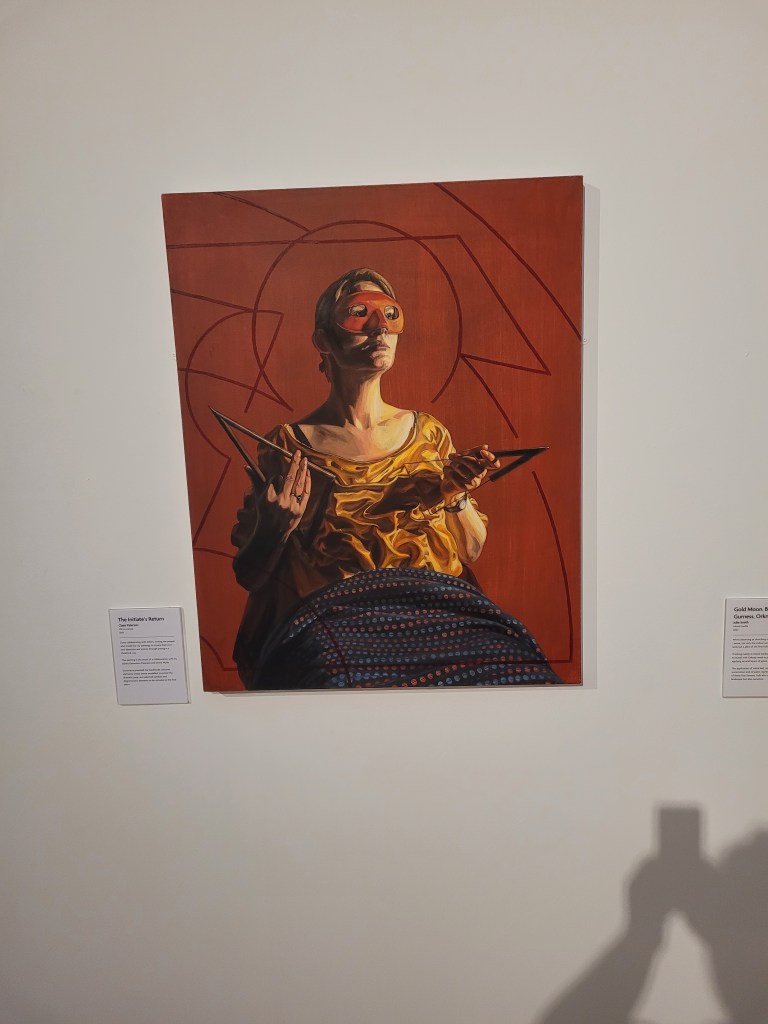
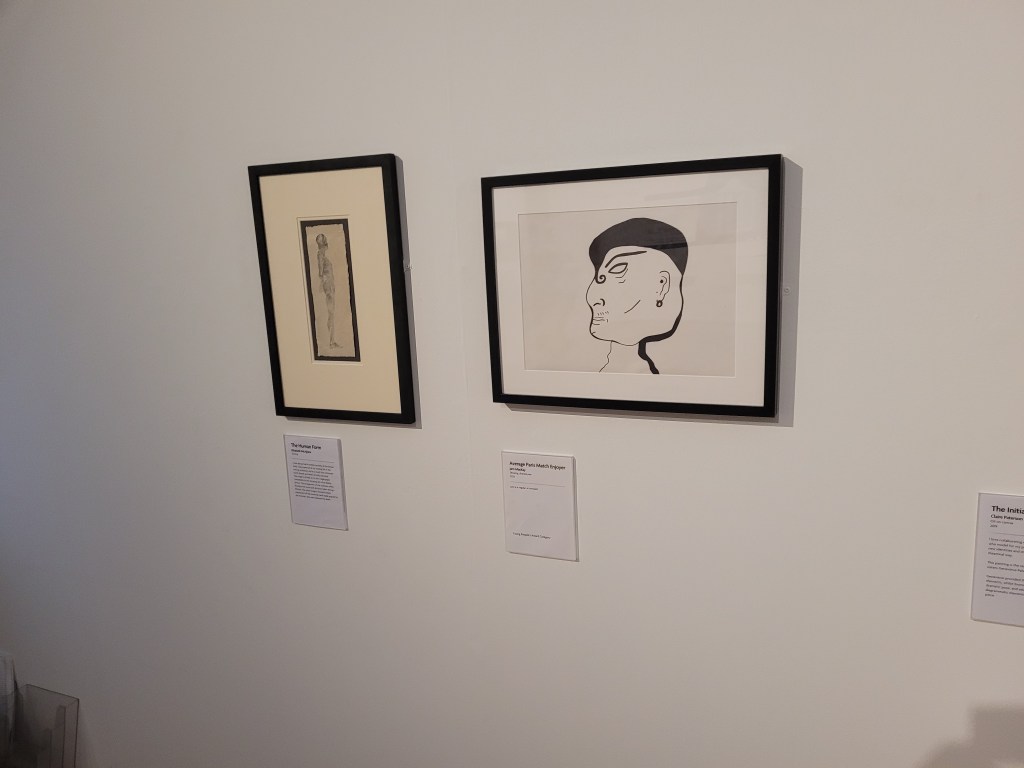


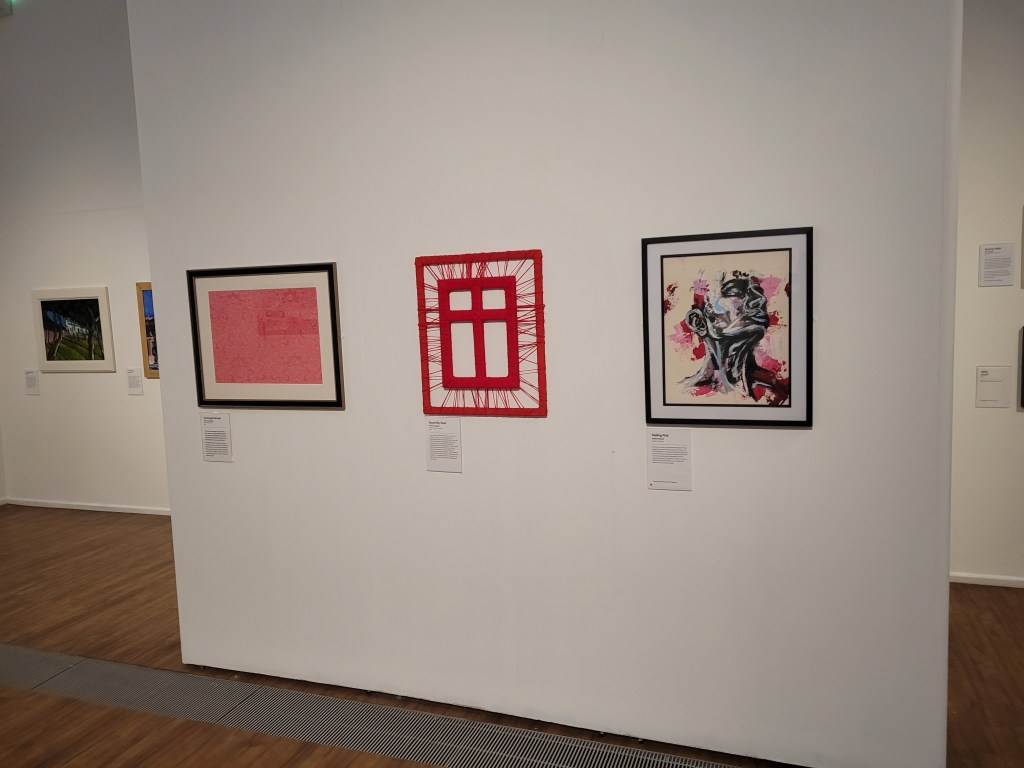
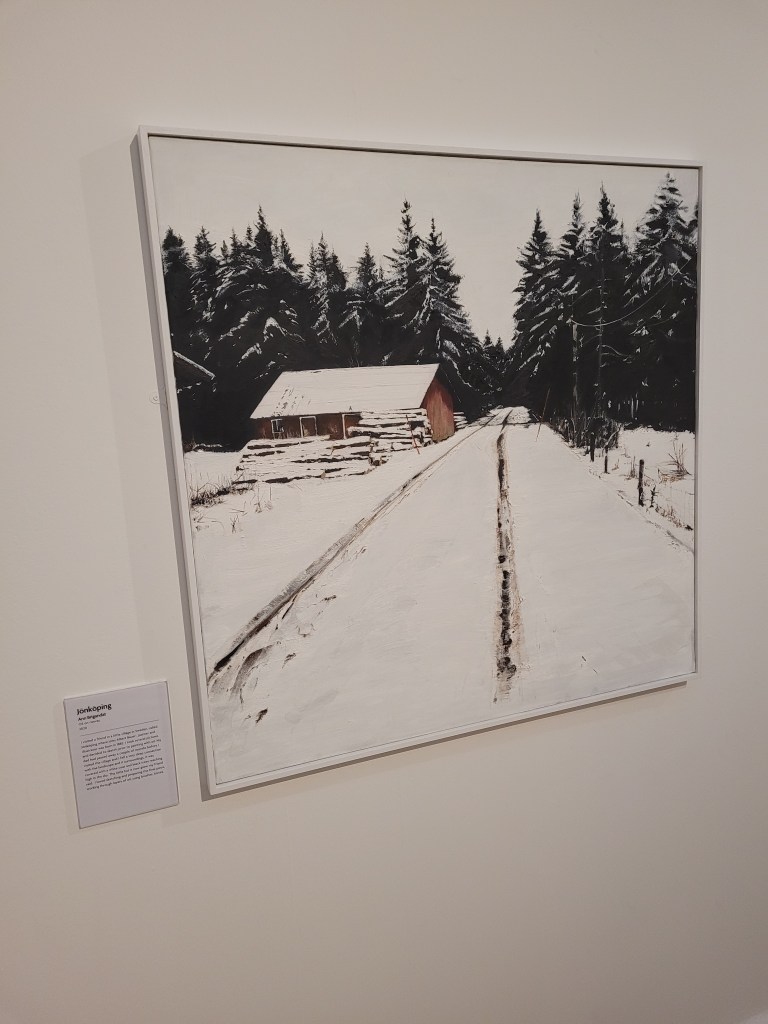

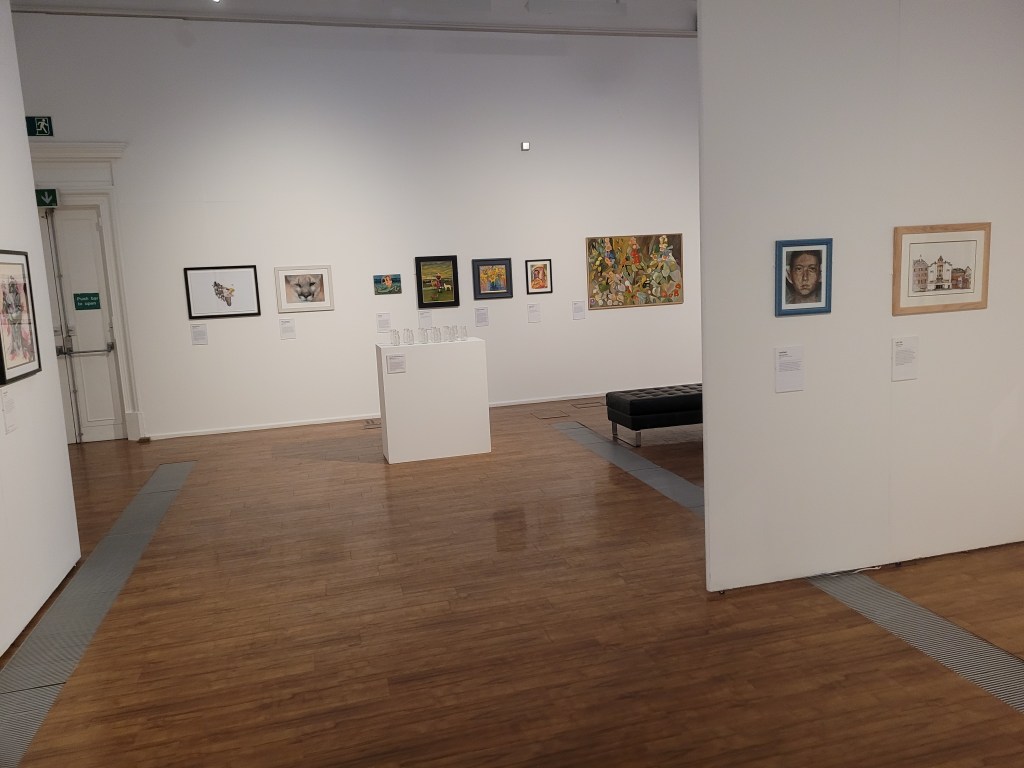
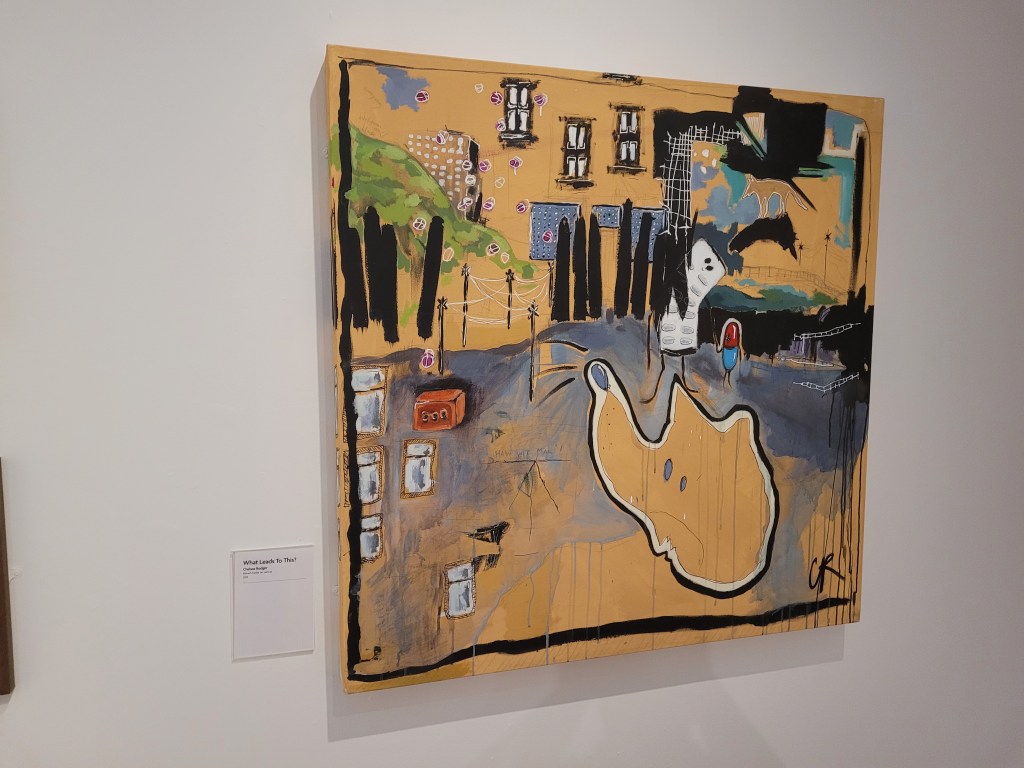
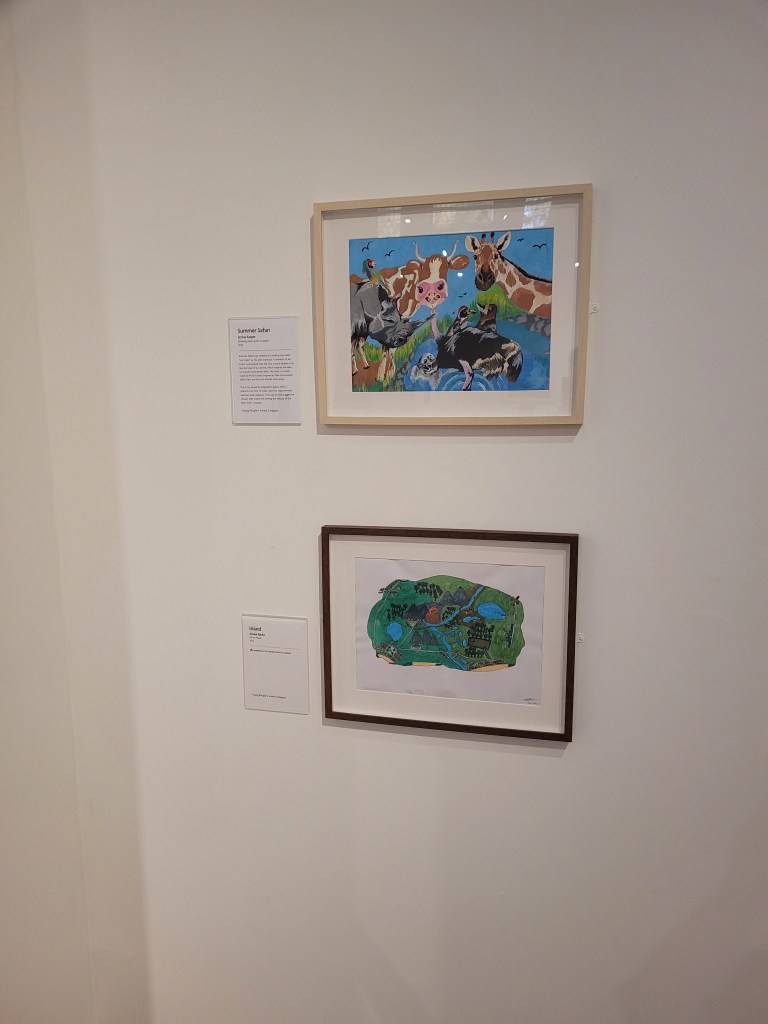
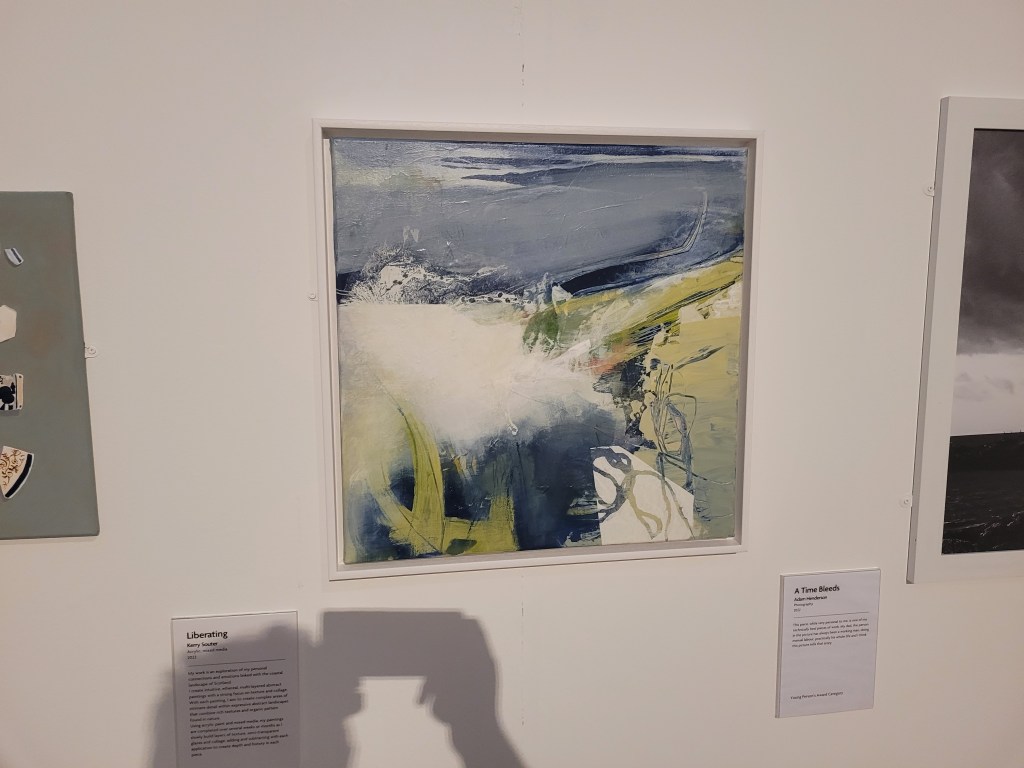
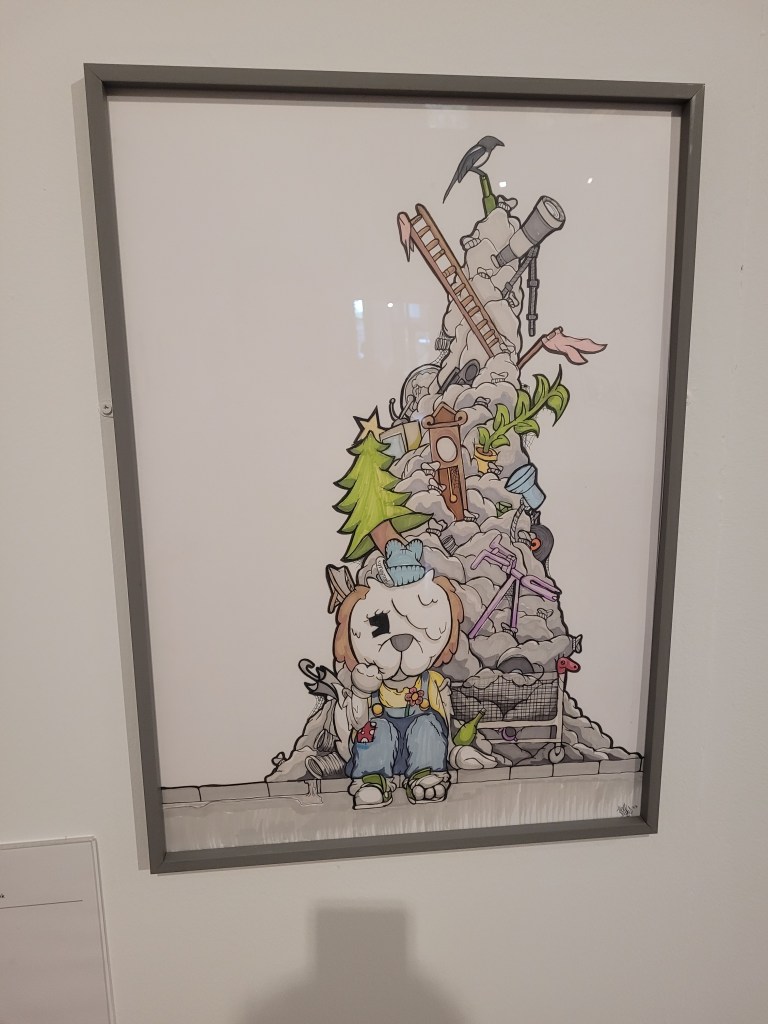
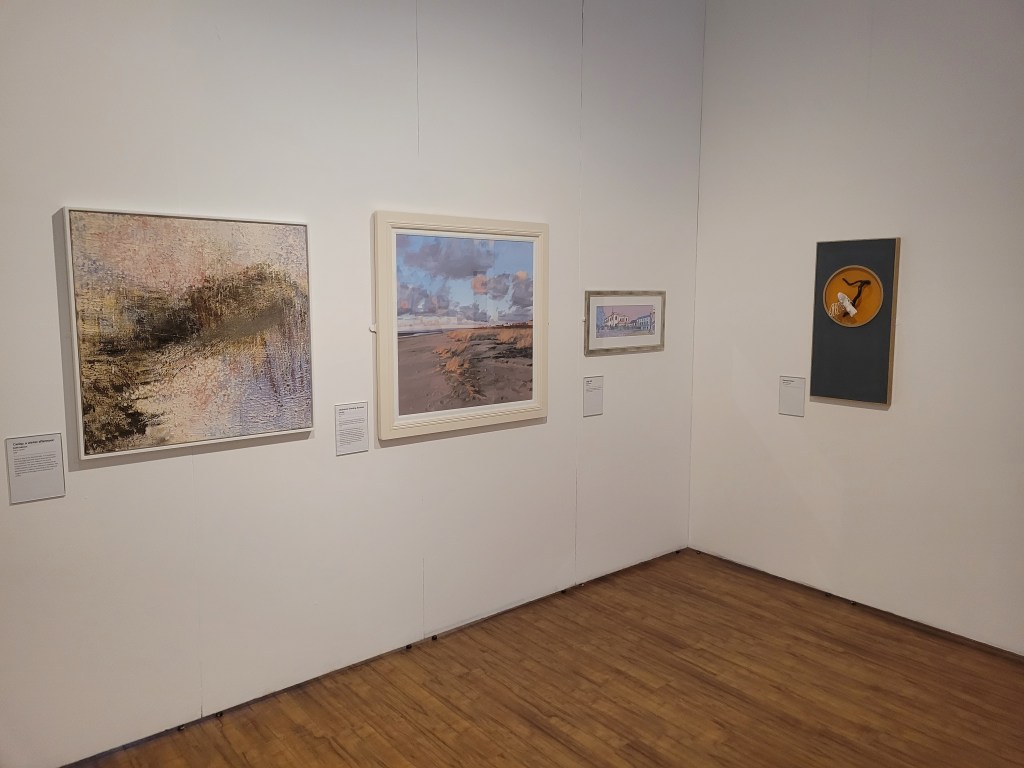
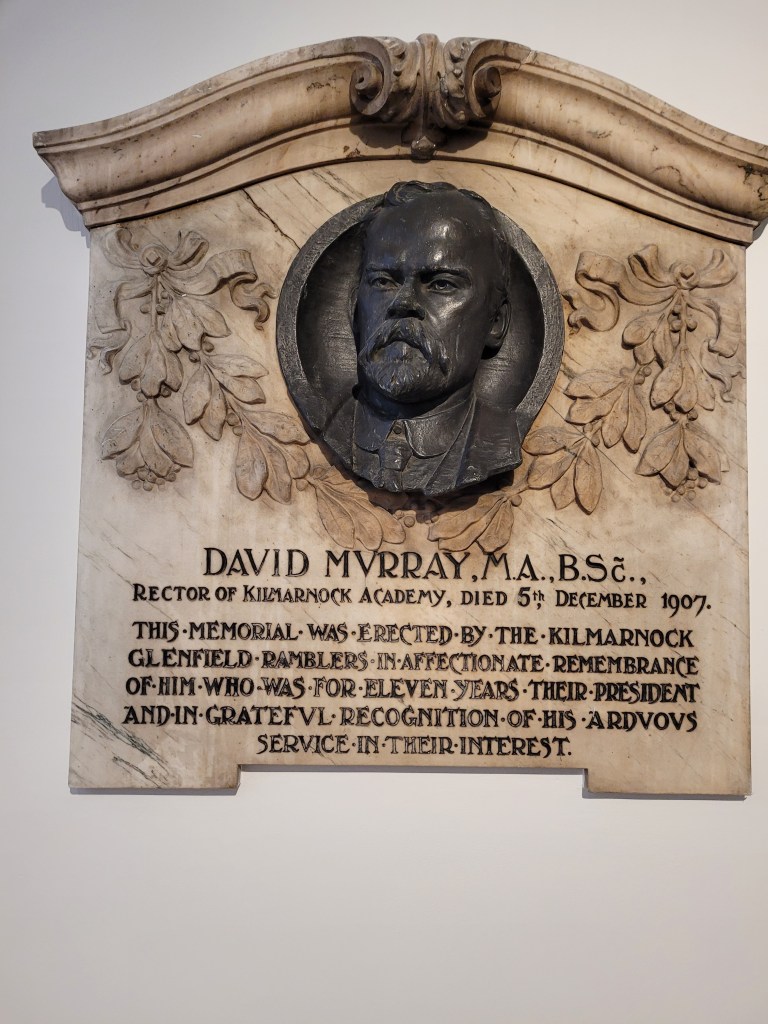
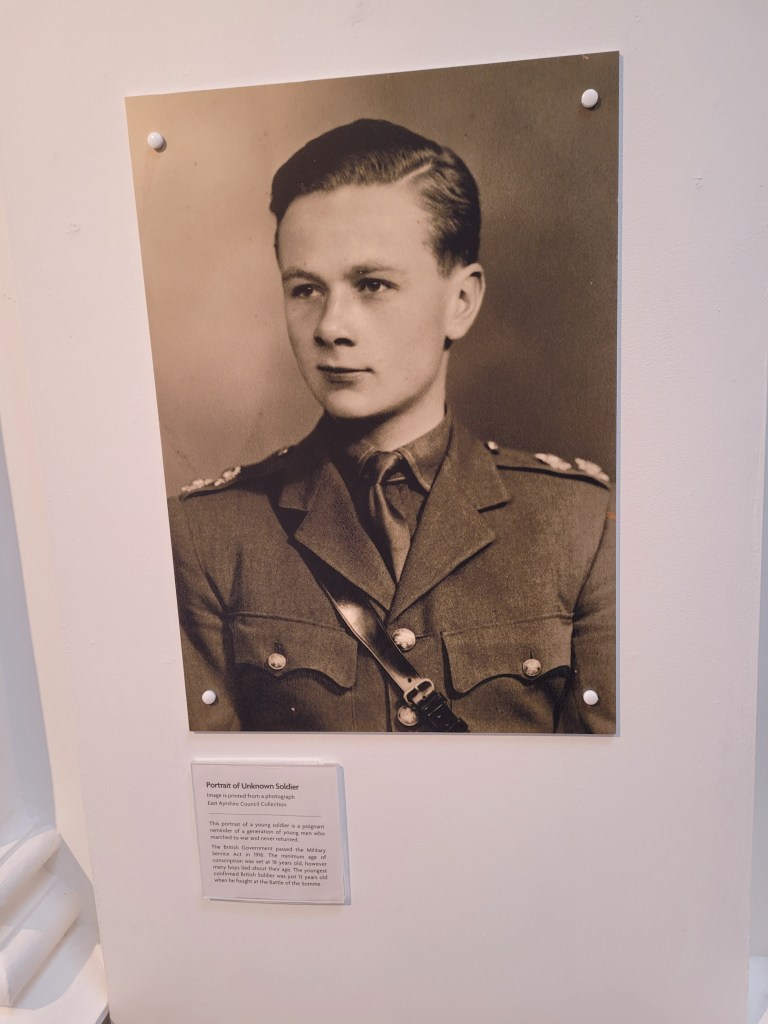
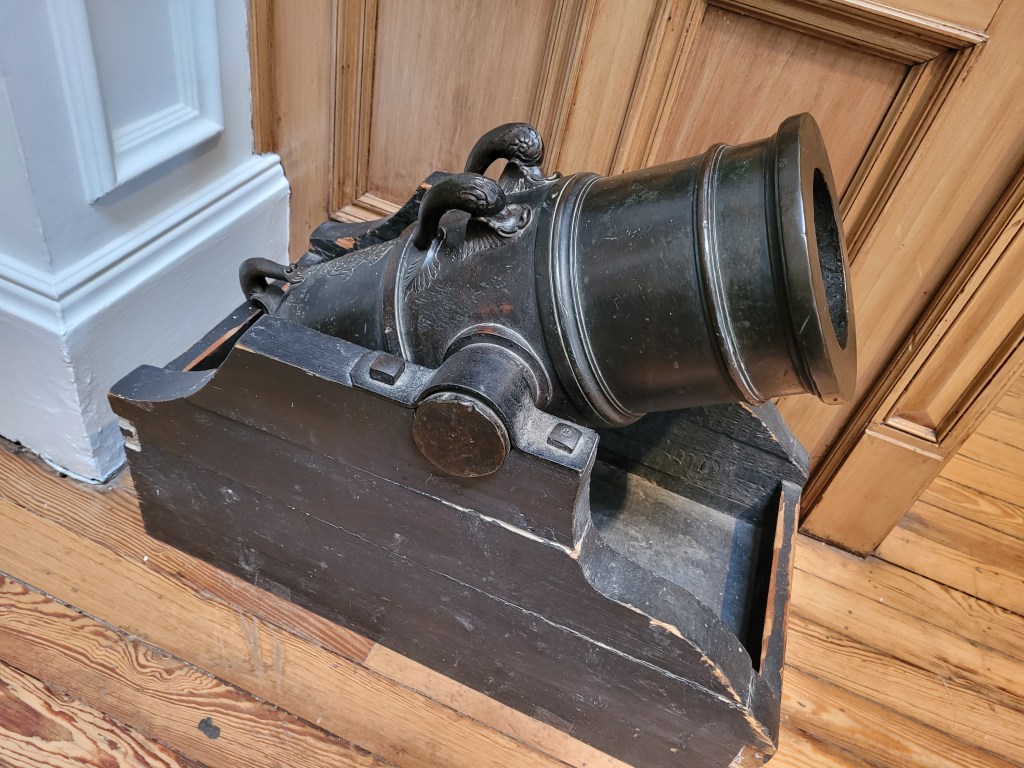
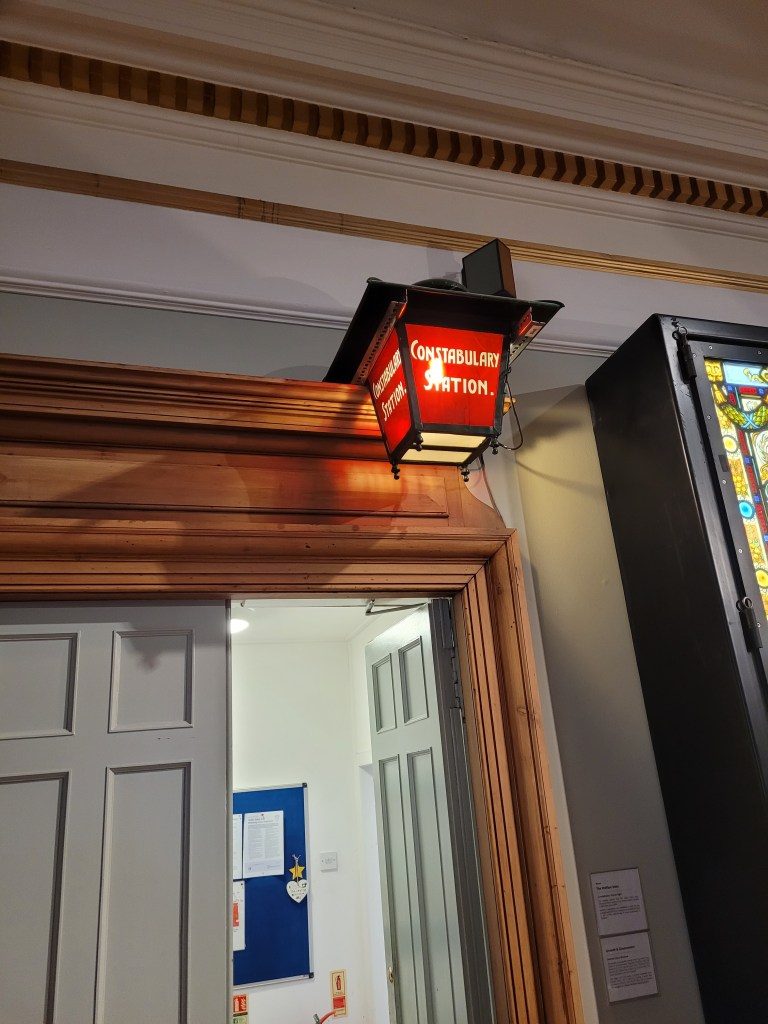
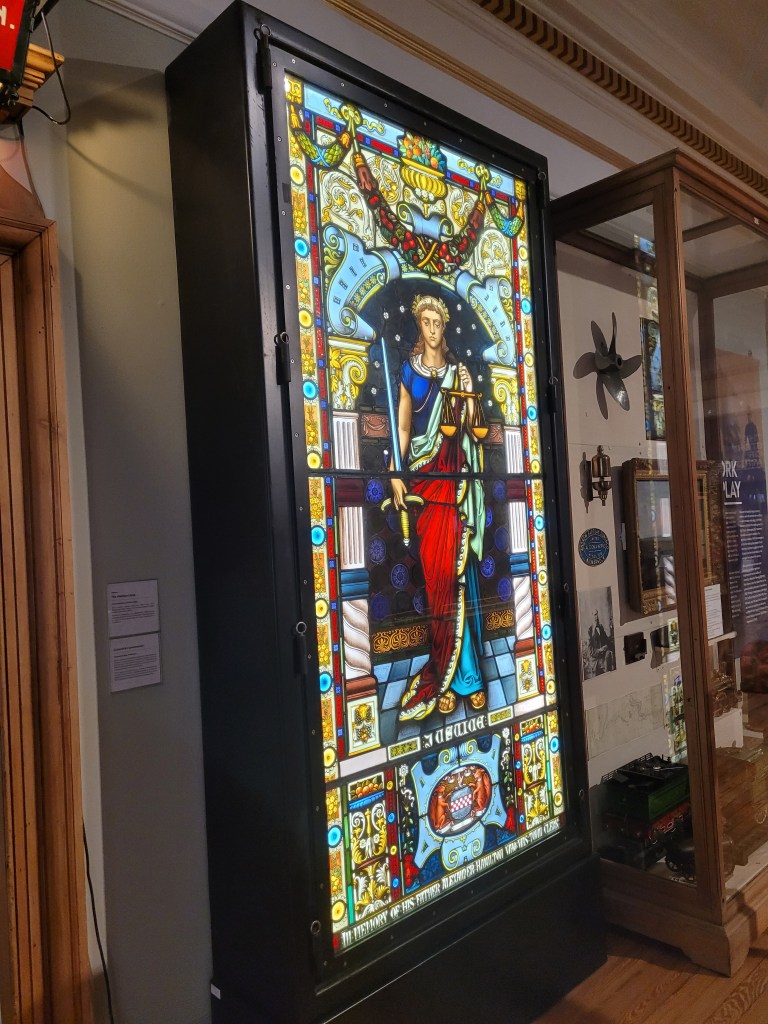
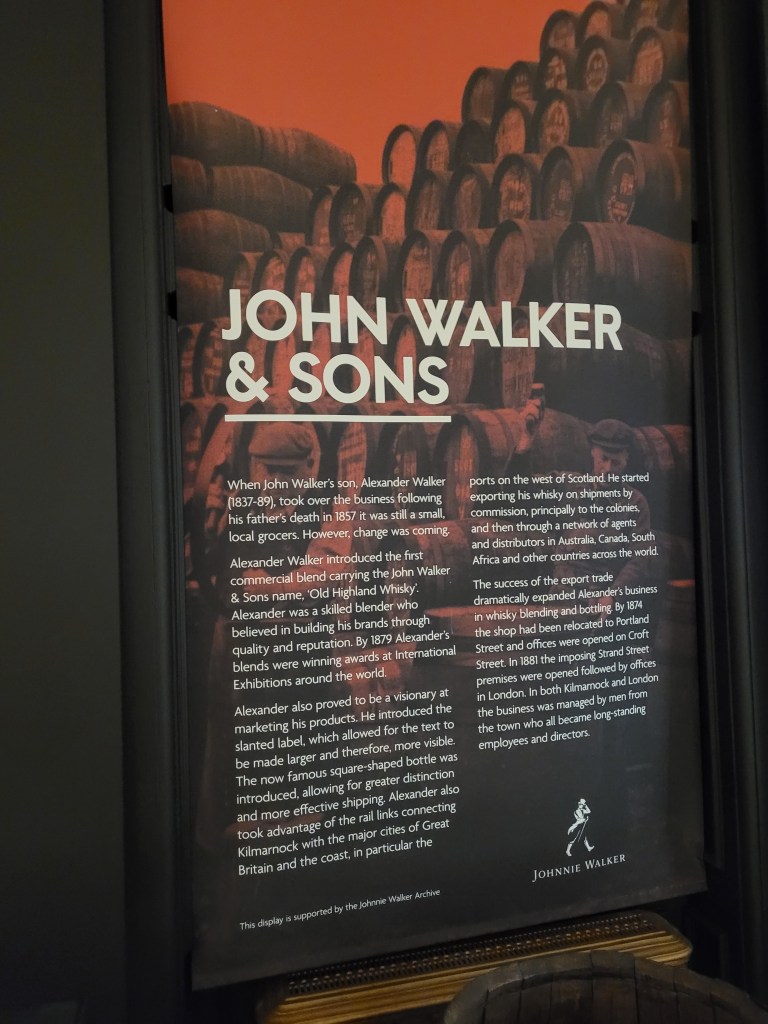
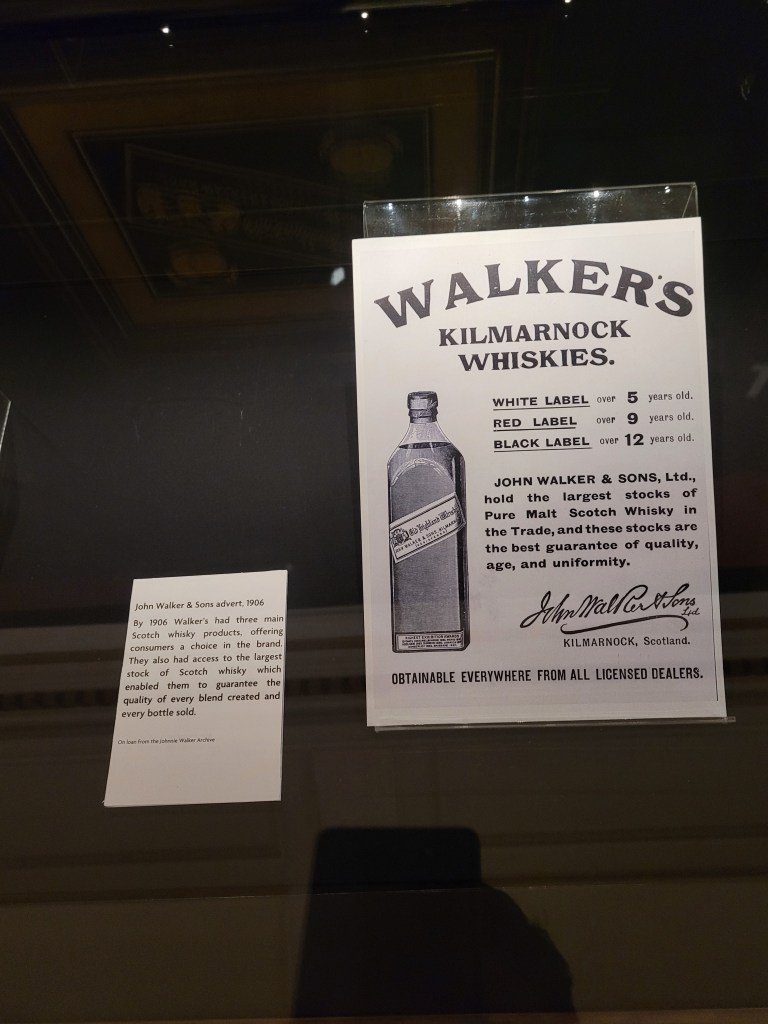
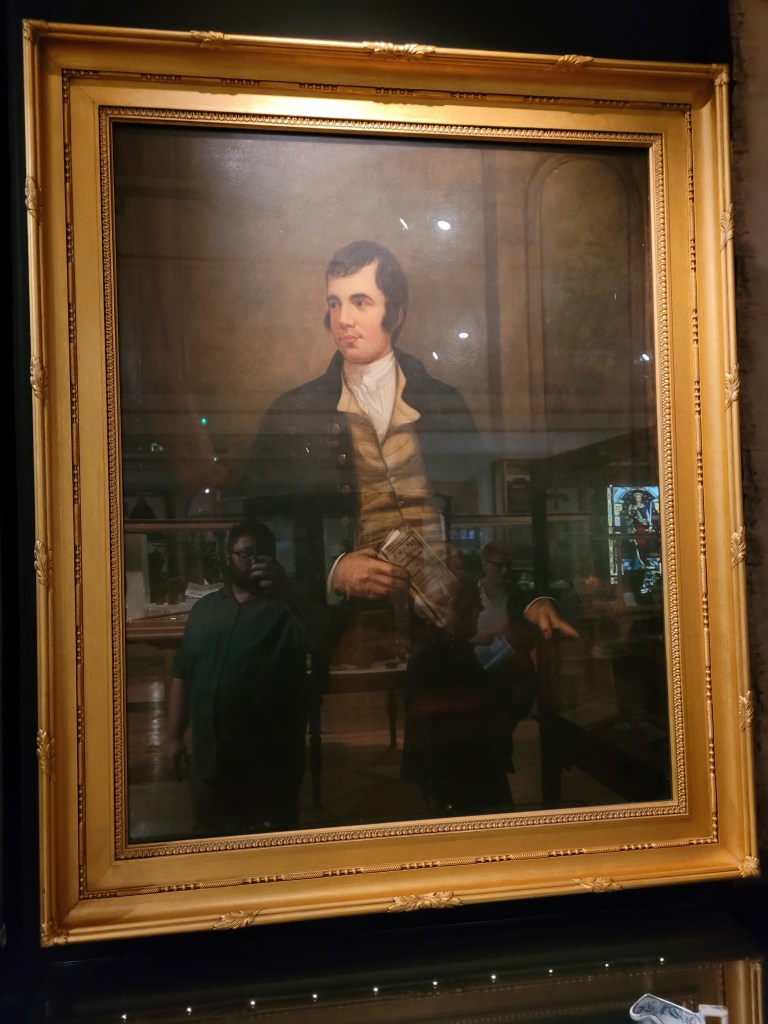
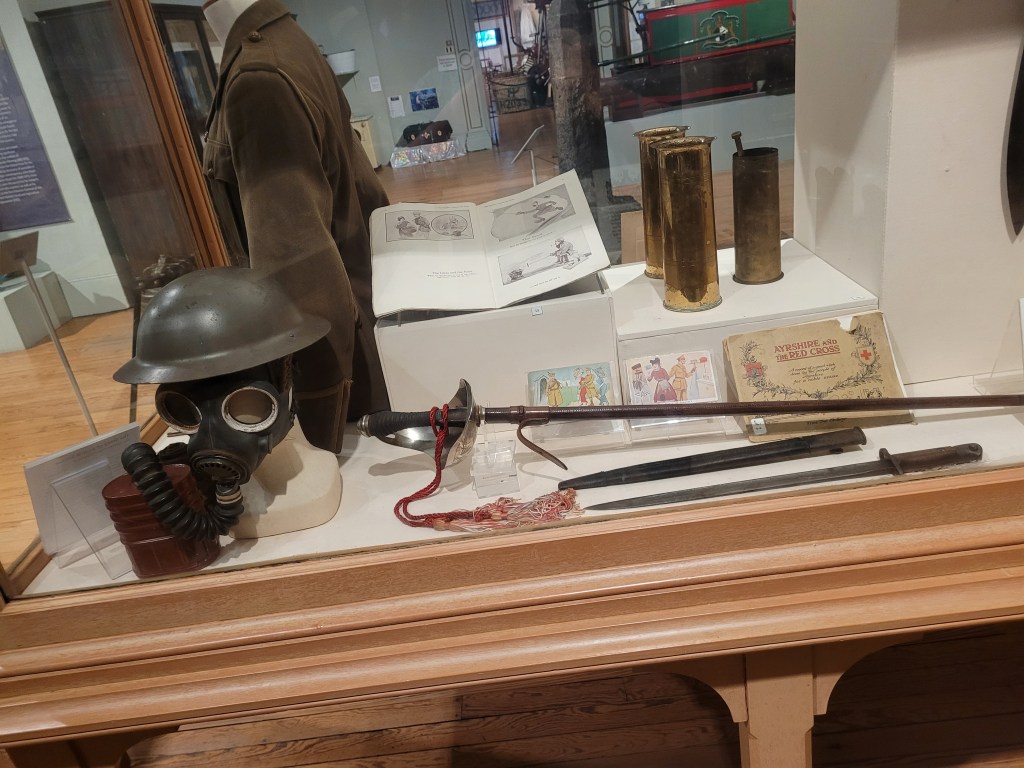
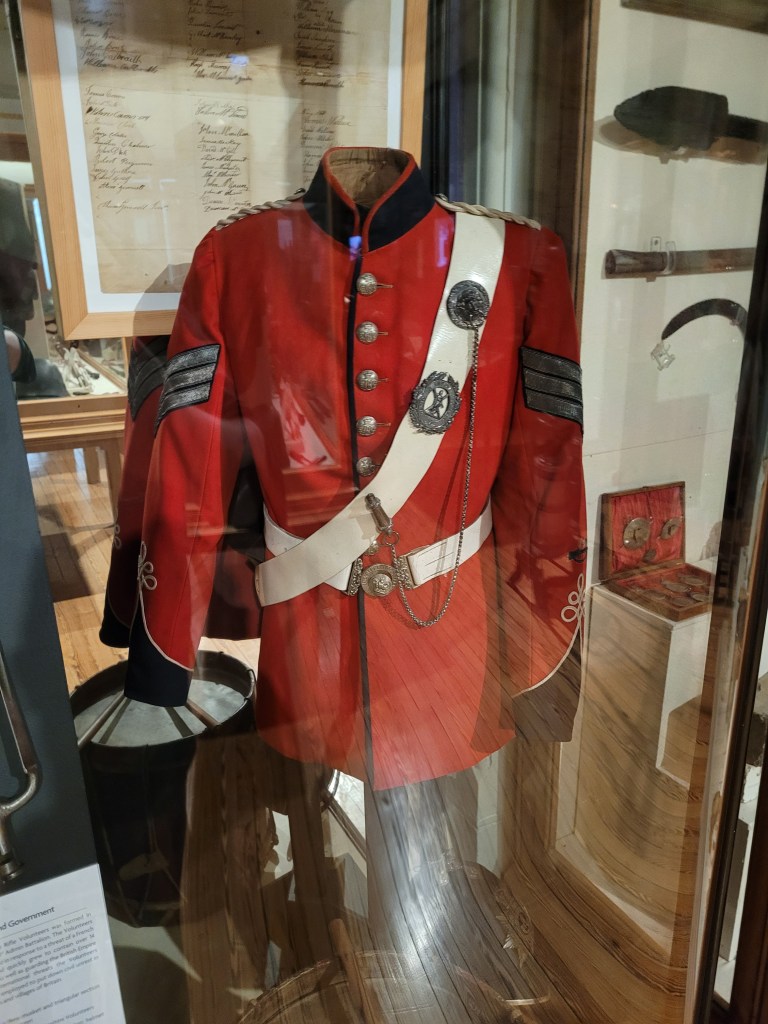
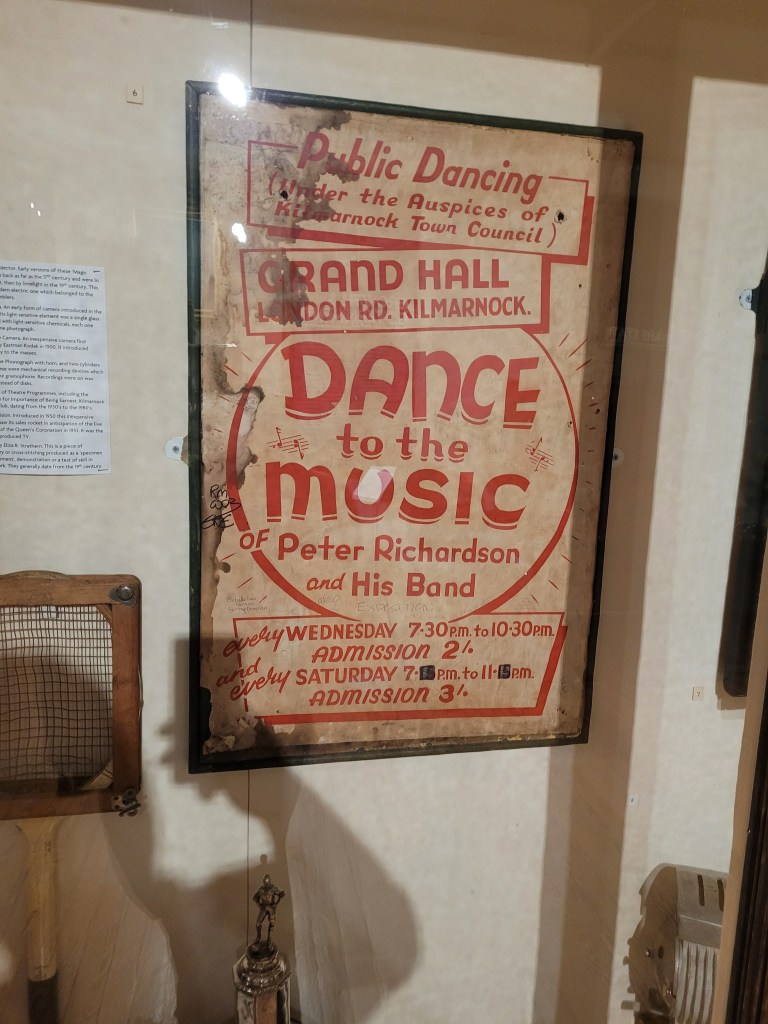
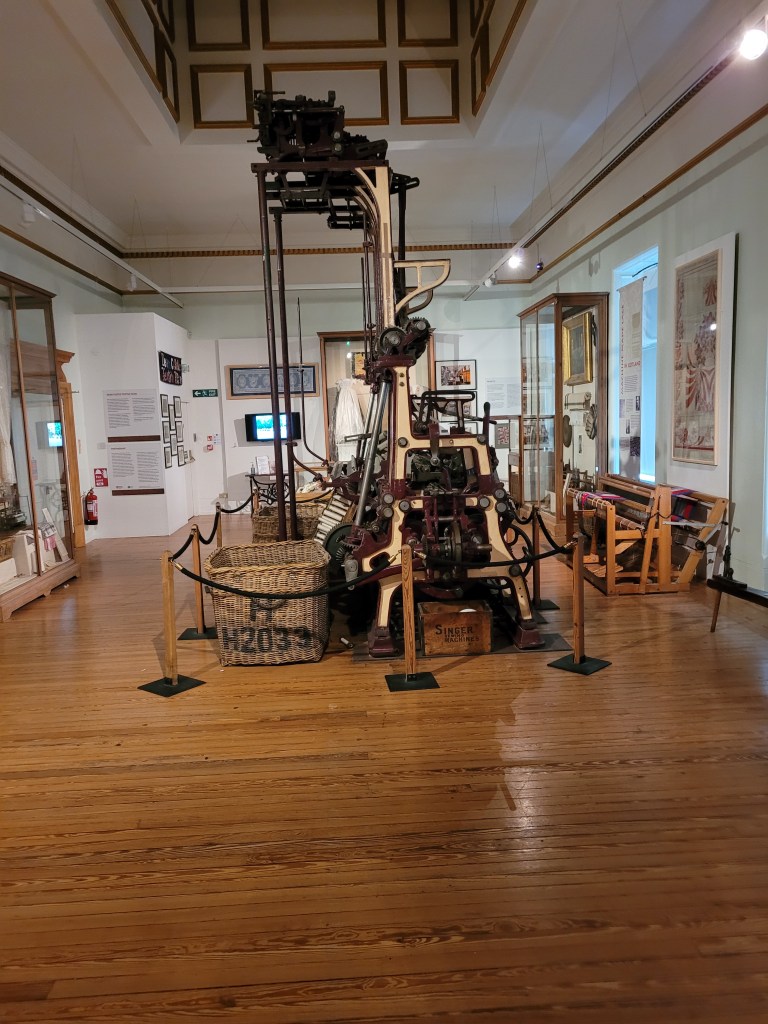
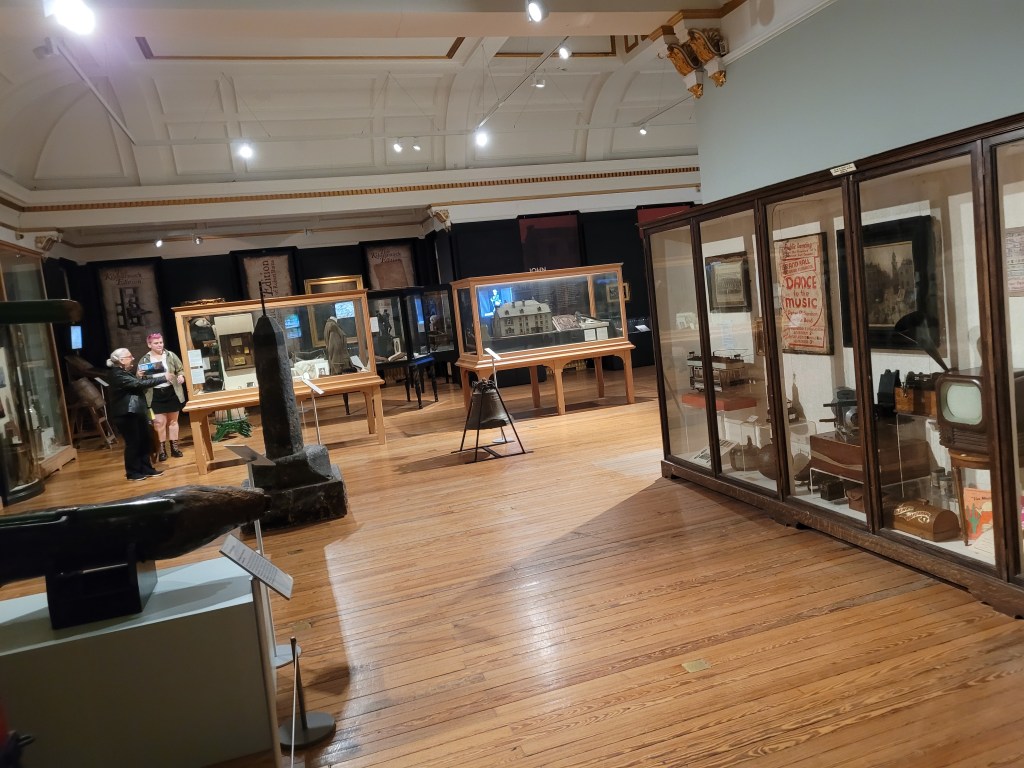
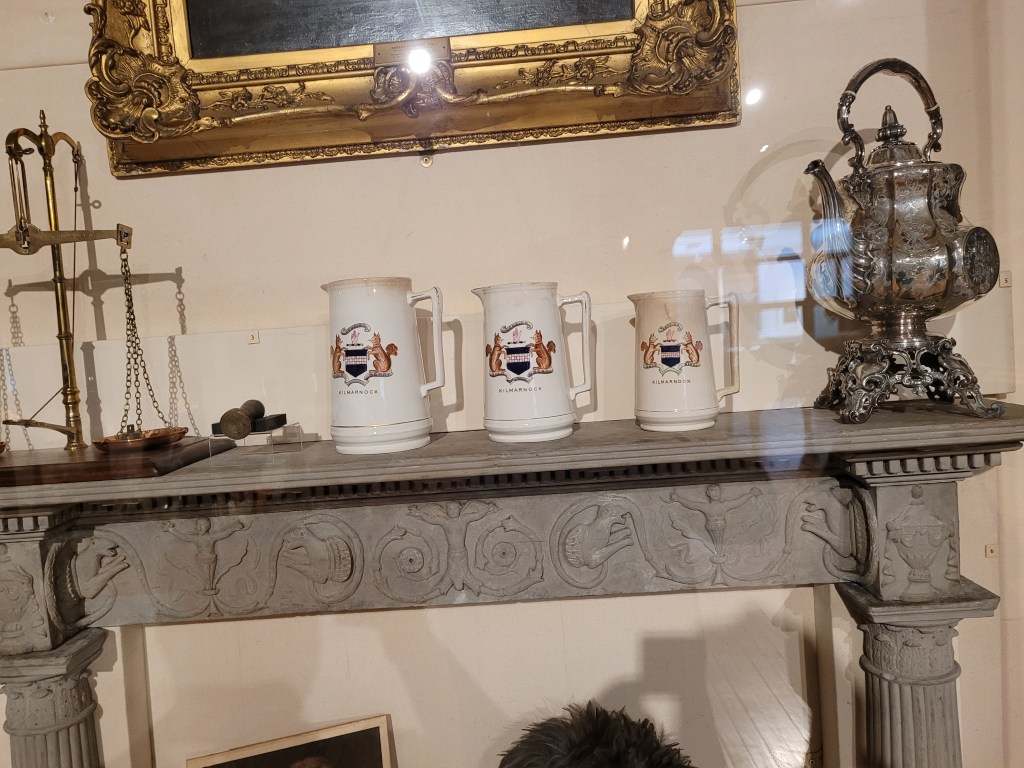
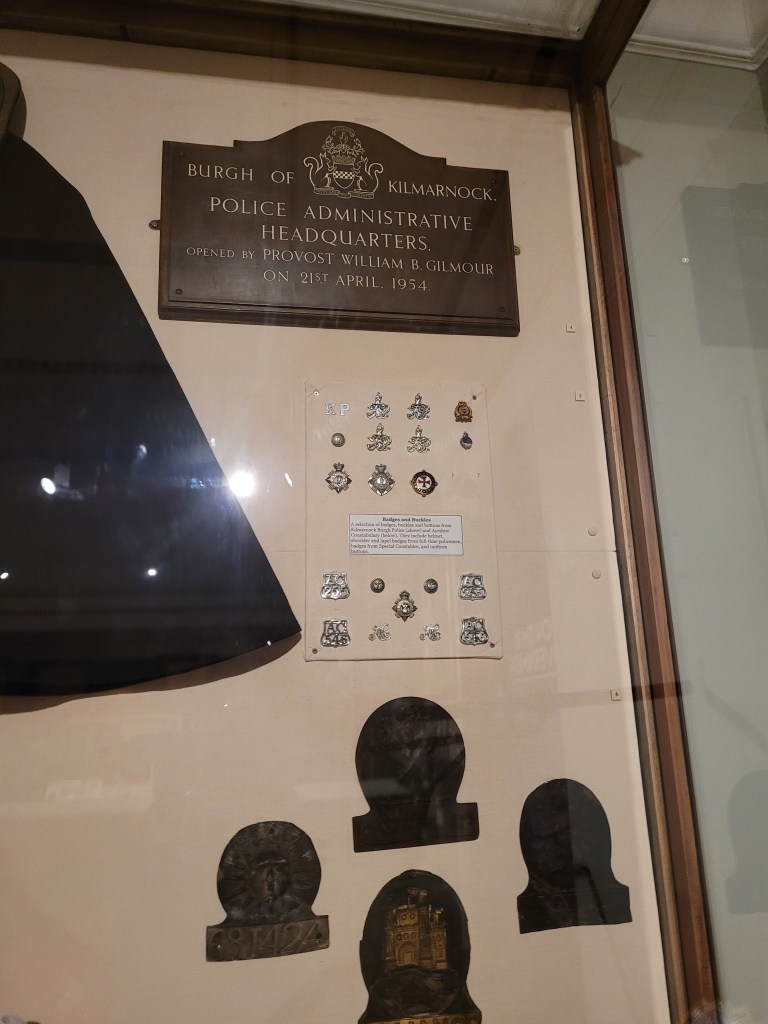
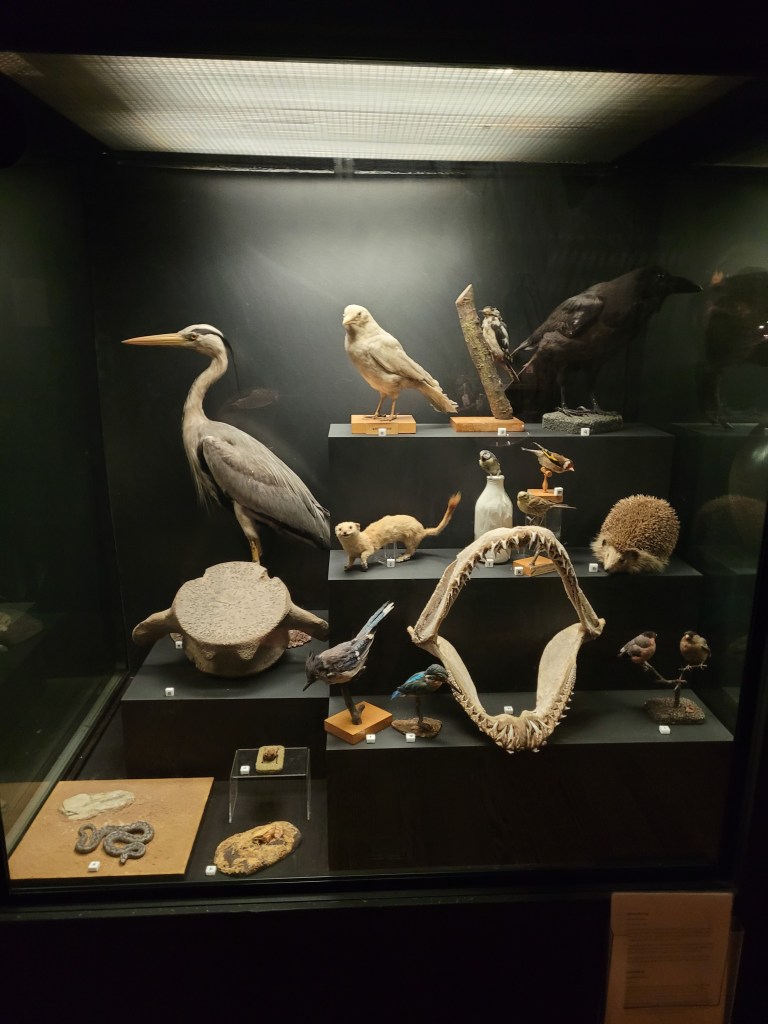
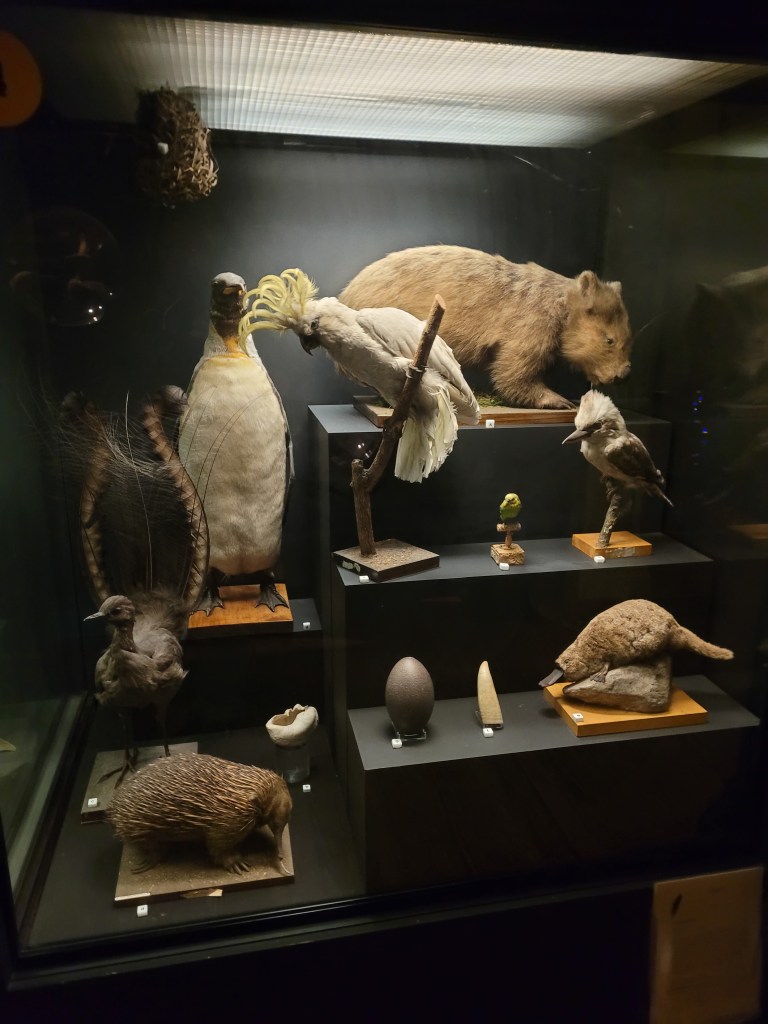
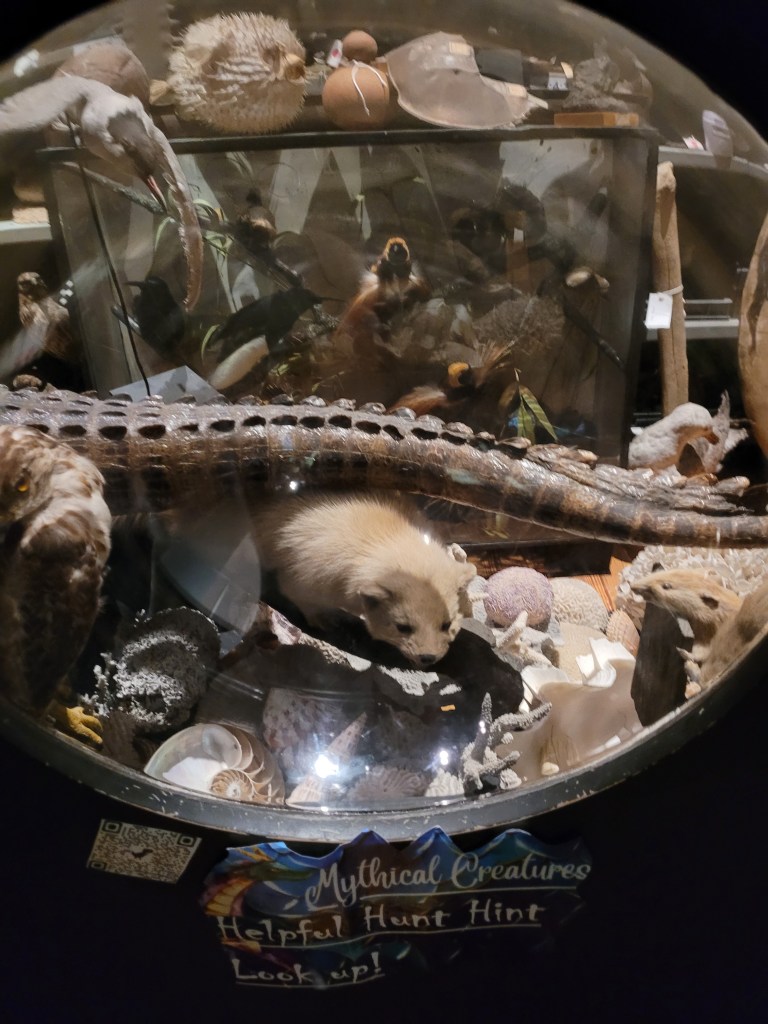
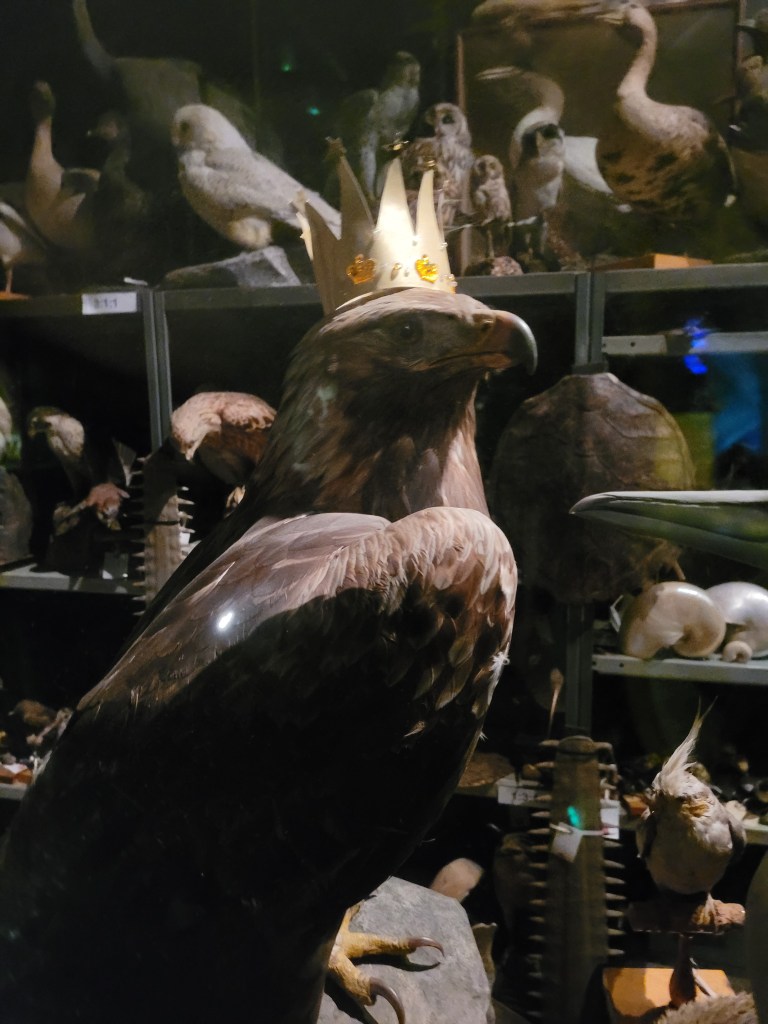
Art is just one side of the rich tapestry of cultural enrichment available at the Dick Institute, Because perhaps the most unique feature of the facility, is that the entire top floor is a museum featuring items of historical note, but largely focusing on the mercantile and military history of Kilmarnock and the local area. Something fantastic that the Dick Institute has in display is a replica of John Wilson’s printing press which printed the first book of Robert Burns’ poems. The Museum, which is separated into the North and South Museums, is a truly comprehensive and diverse attraction which covers such a wide range across the 19th and 20th century. Plus they have the front half of a taxidermy lion, known Brian the Lion, which is a totally unique and impressive feature in a collection that’s jam-packed full of interesting and educational exhibits.
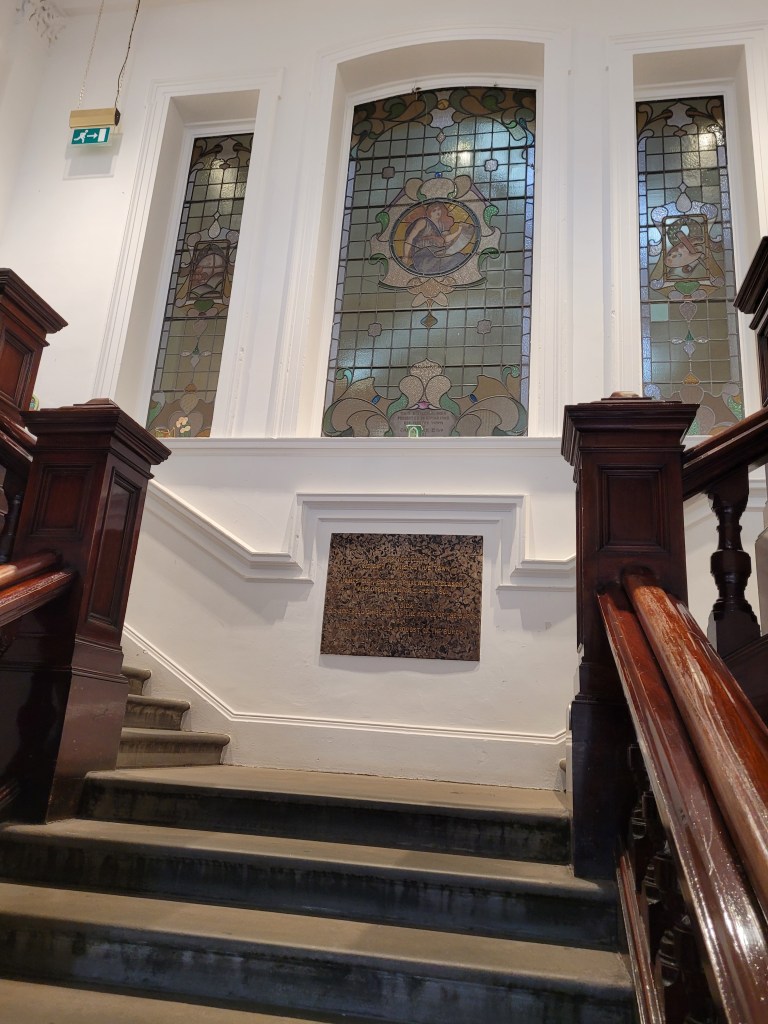














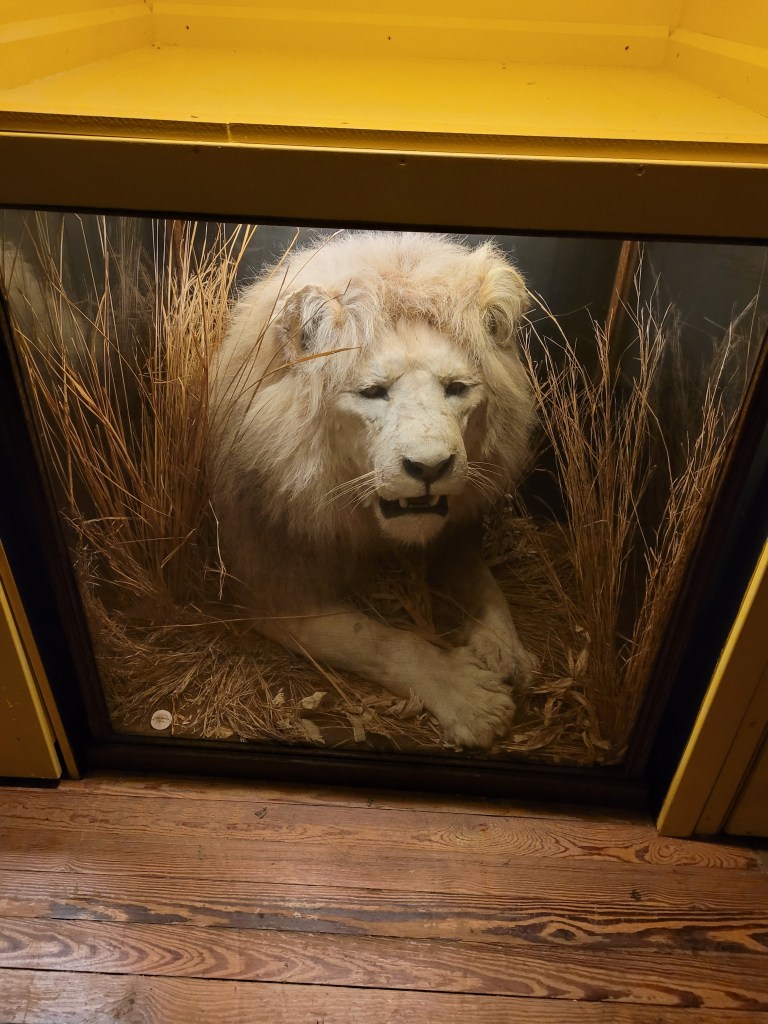
Whether you are an avid reader or a fan or art or history, then The Dick Institute is the place for you!

 Indie Light
Leave a reply to Ellie Ness Cancel reply